
How to Prioritize Fast Cashback Over Points: A Comprehensive Benefit Guide
Here's a structured headline list for your blog post "How to Prioritize Fast Cashback Over Points: A Comprehensive Benefit Guide":
When it comes to maximizing the benefits of credit card rewards, prioritizing fast cashback over points can offer a more immediate and tangible advantage. Cashback rewards provide instant gratification by putting money directly back into your pocket, allowing you to seamlessly reinvest those funds into everyday expenses or savings. Unlike point systems that often require accumulation and can be limited by blackout dates and specific redemption options, cashback offers flexibility and simplicity. Moreover, by choosing cards that offer high cashback rates in categories that align with your spending habits—such as groceries, dining, or travel—you can optimize the economic benefits and see immediate returns on your purchases.
Another significant advantage of focusing on cashback is the reduced complexity when navigating reward redemptions. Points systems can be intricate, often requiring careful tracking and strategic planning to maximize their value. This complexity can be a burden for those who prefer straightforward rewards without the need to delve into charts and conversion rates. On the other hand, cashback rewards are straightforward and transparent, providing a predictable return on every dollar spent. This enables cardholders to easily plan their budgets and understand the real value of their rewards, without the elaborate calculations often necessary with points.
For those looking to accelerate their financial returns, consider prioritizing credit cards with bonus categories and introductory offers that boost cashback potential. These may include limited-time promotions, like doubled cashback for the first year, or elevated rates for specific spending categories during certain periods. By strategically choosing a card that complements your lifestyle and spending habits, you can enhance your cashback benefits without unnecessary complication or the lengthy waits associated with point systems.
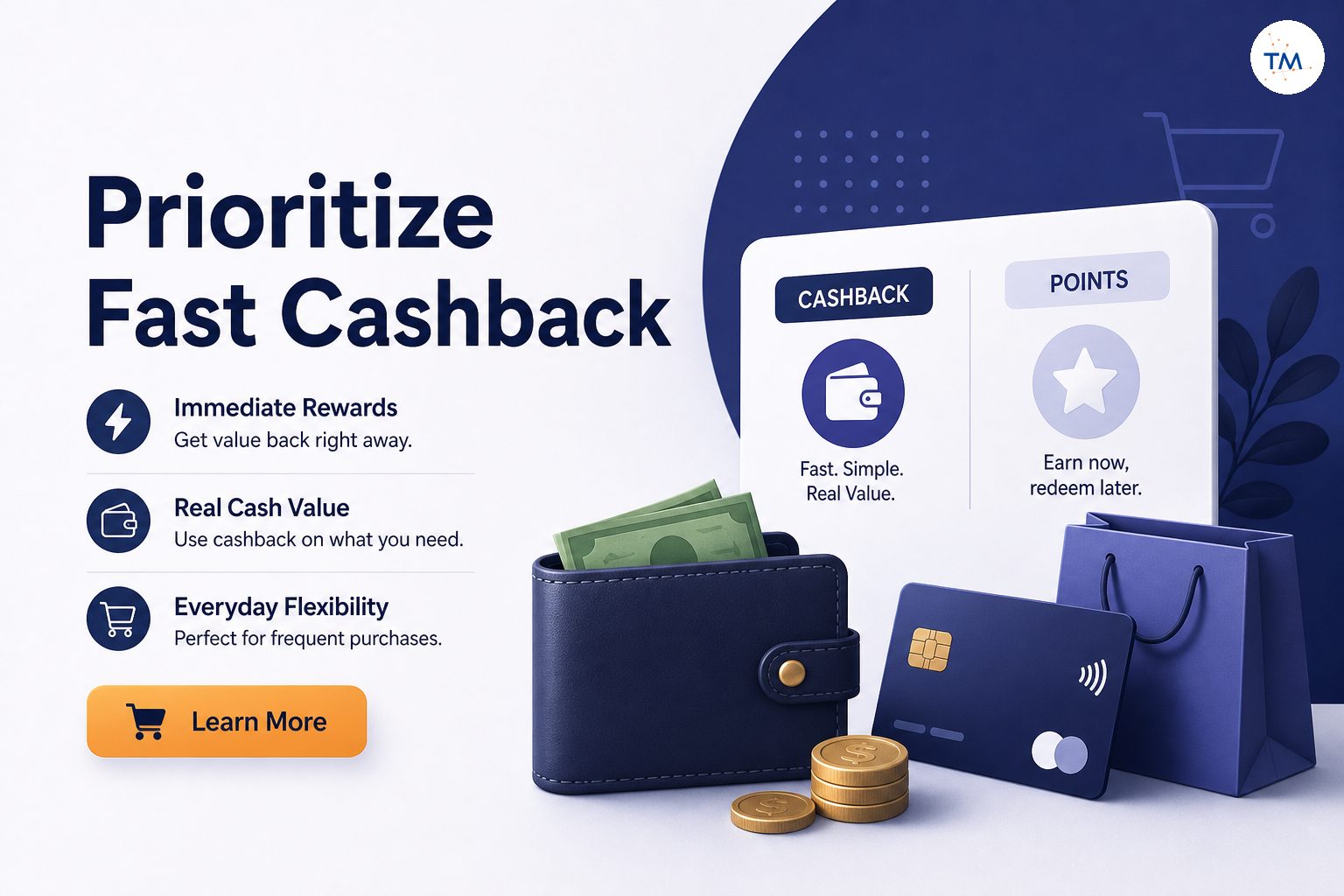
Introduction: Navigating Cashback vs. Points
Cashback and points programs have become popular perks offered by credit card companies, each with its unique advantages and disadvantages. As consumers become more discerning about their financial benefits, understanding the nuances between cashback and points is crucial. Cashback offers a straightforward value, directly crediting a percentage of purchases back to your account, thus providing instant gratification and an immediate reduction in spending. Conversely, points can often be more complex, requiring tracking, conversion, and strategic redemption to maximize value. While points may sometimes offer higher value when redeemed for travel or exclusive events, they frequently come with varying restrictions and expiration dates, making them less straightforward than cashback.
For many, the choice between cashback and points boils down to simplicity versus potential value. Those preferring simplicity or immediate reward might find cashback more appealing, as it transforms purchases directly into savings. On the other hand, some might enjoy the gamification aspect of collecting points and strategizing their redemptions for potentially larger rewards. Determining which program aligns best with your lifestyle involves assessing your financial habits, spending patterns, and patience for managing complex reward systems. As we delve deeper into the benefits of prioritizing fast cashback over points, we'll explore how to make the most informed choice tailored to your needs.
The Benefits of Choosing Fast Cashback
Choosing fast cashback over points can provide several advantages that enhance your financial flexibility and simplify your rewards strategy. One primary benefit is the immediate gratification and tangible value that cashback offers. Unlike points, which often require complex calculations to determine equivalencies with real-world values, cashback is straightforward. Every dollar earned as cashback directly contributes to your available funds, allowing you to quickly reinvest or use these funds for other expenses. This immediacy makes cashback particularly advantageous for those looking to optimize their spending without the hassle of converting points into something usable.
Moreover, fast cashback programs typically provide greater versatility and fewer restrictions compared to point-based systems. With points, users can be subjected to blackout dates, expiration limits, or minimum thresholds before redemption is possible. Cashback, on the other hand, is typically credited directly to your account, offering more freedom in how and when you use your rewards. This unrestricted access means you can apply these bonuses in ways that best suit your immediate financial needs, whether that's reducing a bill, saving towards a big purchase, or even simple indulgences.
Another critical advantage of opting for fast cashback is the reduced risk of devaluation. Points and miles can change in value as loyalty programs adjust policies, potentially diminishing the worth of your accumulated rewards. Cashback eliminates this uncertainty, providing a stable and predictable benefit. Additionally, shifting towards cashback removes the pressure to game the system for maximum point value, simplifying your financial strategy. With consistent cashback returns, it's easier to plan your finances and maximize the utility of your spending, knowing exactly how much you will earn back with each purchase.
Best-fit reader
Budget-Friendly Resolutions with Cashback
Budget-friendly resolutions often emerge as a top priority for many individuals looking to enhance their financial wellness in the new year. Leveraging cashback instead of reward points is a strategic approach that allows for tangible savings, which can be immediately utilized to boost one's budget. Cashback programs provide a direct reduction in the cost of purchases, making them more practical for everyday expenses. Unlike points, which often require accumulation and specific redemption processes, cashback is straightforward—it's money back in your pocket, making it ideal for budget-conscious consumers who need flexibility and immediate benefits.
Furthermore, incorporating cashback into your financial planning can significantly ease financial stress. By regularly using cashback cards or apps for purchases, consumers can set resolute, budget-conscious goals, ensuring that there's always a buffer for unexpected expenses. This approach not only supports your budget management efforts but also encourages smarter spending habits. Cashback can serve as an incentive to stay within budget, as it directly rewards disciplined spending. Consequently, prioritizing cashback can lead to more effective financial resolutions and a more resilient personal financial strategy.
In addition to the immediate financial benefits, cashback can also enhance your saving potential over time. For instance, by reinvesting the cashback received into a savings account or investment, individuals can witness compounded growth, thus securing their financial future. Websites like NerdWallet and The Points Guy often highlight the best cashback programs, providing valuable insights into maximizing this financial tool. By focusing on cashback, users are not only adhering to budget-friendly resolutions but also building a solid foundation for long-term financial health.
Why Opt for Cashback Over Points?
When it comes to deciding between cashback and points, one of the most compelling reasons to choose cashback is its simplicity and immediacy. Cashback rewards are straightforward; they provide a clear return on your purchases without the need for conversion or redemption processes. Unlike points, which might require you to reach certain thresholds before redemption or could be subject to fluctuating values, cashback offers a reliable and instant financial benefit. This can be particularly advantageous for budgeting purposes, as it provides a direct reduction in your monthly expenses or an immediate boost to your savings.
Additionally, cashback rewards tend to offer more flexibility compared to points. Points are often tied to specific brands or can only be redeemed for certain types of products or experiences, which may not always align with your spending habits or personal preferences. In contrast, cashback can be utilized universally, allowing you the freedom to spend or save as you see fit. This flexibility ensures that every reward directly benefits you without the limitations imposed by certain loyalty programs.
Finally, opting for cashback can help in preventing the issue of point devaluation, a frequent concern in many loyalty programs. The value of points can change over time, often reducing the worth of your accumulated rewards due to program changes or inflation adjustments. With cashback, you are safeguarded against such devaluation risks, ensuring every dollar earned maintains its value regardless of market changes. This financial stability and assurance make cashback a more secure and attractive option for many consumers.
Keep the goal simple
What Makes Cashback a Better Choice?
When it comes to choosing between cashback and points-based reward systems, cashback often emerges as a more practical choice for many consumers seeking direct and immediate benefits. The primary advantage of cashback is its simplicity and transparency. With cashback, you earn a percentage of your spending back in cash, which is straightforward and easy to understand. Unlike points, which often require navigating complex conversion rates or restrictive redemption options, cashback offers a tangible reward without the fuss. This means you have direct access to your rewards and can decide how to use them—be it saving, reinvesting, or even splurging on something special—without being tied to specific merchants or products.
Another reason cashback is often preferred over points is its universal applicability. Cashback rewards are not subject to the same limitations that often accompany points, such as expiration dates or blackout periods. This flexibility makes cashback a reliable option, providing consumers with the assurance that their rewards will retain their full value over time. Additionally, cashback is particularly advantageous for individuals who value liquidity and want to maintain control over their financial choices. With money directly in hand, consumers can prioritize their unique financial goals, from building emergency funds to reducing debt, rather than being tempted to spend on predetermined options oftentimes dictated by point-based reward programs.
In many cases, cashback programs also offer competitive rates that potentially exceed the value of points when converted to monetary terms. For frequent shoppers or individuals with significant monthly expenses, cashback can accumulate quickly, resulting in a substantial return that may surpass equivalent points in value when considering the potential limitations and conversion inefficiencies associated with points. This makes cashback an ideal choice for savvy consumers seeking to maximize their savings and optimize their spending.
How to Maximize Fast Cashback Rewards
To maximize fast cashback rewards, it's essential to focus on strategically using your credit cards and leveraging cashback opportunities. Start by choosing the right credit cards that offer the highest cashback percentages for your regular spending categories, such as groceries, gas, or dining. It's worth comparing different cards to see which ones provide the best rewards for categories where you spend the most. Additionally, consider rotating your spending among multiple cards if they have different bonus categories that change quarterly. Using card management apps can help you track these categories and ensure you are always maximizing your rewards.
Next, make sure to take advantage of sign-up bonuses. Many credit cards offer substantial cashback bonuses after you spend a specific amount within the first few months of opening the account. Plan your significant purchases around this period to meet the spending threshold without altering your budget unnecessarily. Additionally, explore card-linked offers from retailers and service providers, which often provide extra cashback on top of your usual credit card benefits. Equally important is to pay off your balance in full every month to avoid interest charges, which can easily negate any cashback benefits you earn.
Finally, keep an eye on seasonal or promotional cashback increases. Some credit cards may offer temporarily elevated cashback rates for specific spending categories during holidays or back-to-school seasons. Subscribe to email alerts from your credit card issuer, so you never miss out on these offerings. Regularly review your credit card statements and the rewards program website to stay informed about any changes to cashback rates and to ensure you're receiving all the cashback you have earned. By staying proactive and informed, you can significantly boost your cashback earnings with minimal extra effort.
Which Credit Cards Offer the Best Cashback Deals?
When it comes to selecting credit cards that offer the best cashback deals, consumers often seek out those with the highest returns on everyday purchases. Notably, several standout options have proven to provide significant benefits. The Chase Freedom Flex℠ card is one such option, offering 5% cashback on up to $1,500 in combined purchases in bonus categories each quarter you activate. Additionally, it includes 3% cashback on dining and at drugstores and 1% on all other purchases. This card's rotating categories mean cardholders need to keep informed of quarterly changes to maximize their benefits.
Another excellent choice is the Citi® Double Cash Card, which offers a straightforward approach to earning cashback. Cardholders receive 2% cashback on every purchase – 1% when they buy and an additional 1% as they pay for those purchases. This simplicity is ideal for users who prefer not to track points or categories, ensuring they always enjoy substantial returns on their spending. Additionally, for consumers who frequently shop online, the Capital One Quicksilver Cash Rewards Credit Card provides 1.5% unlimited cashback on all purchases. This no-fuss structure, combined with no annual fee, makes it a compelling option for those prioritizing consistent cashback rewards.
When to Redeem Cashback for Maximum Value
When it comes to redeeming cashback for maximum value, timing can play a vital role in enhancing your savings. The first step is to understand the terms and conditions associated with your cashback rewards program. Some programs may offer periodic bonuses or multipliers for redeeming cashback during specific times of the year, such as during holiday sales events or end-of-season clearances. Keeping an eye on these promotional periods and aligning your redemption strategy with them can result in significant extra savings. It's also essential to consider your personal cash flow and upcoming expenses; redeeming cashback just before a planned large purchase can effectively reduce out-of-pocket costs.
Additionally, it is worthwhile to look for opportunities where cashback can be combined with other discounts or rewards. Many retailers offer substantial price reductions during sales, and stacking these with cashback can lead to unparalleled savings. Look out for moments when cashback redemption can effectively substitute for paying out-of-pocket, such as when paying utility bills, buying groceries, or booking travel. These are routine expenses that, when paid using your cashback, can relieve budget pressures while maximizing the perceived value of your rewards.
Lastly, understanding the redemption thresholds is crucial. Some programs require a minimum amount of cashback accrued before redemption is possible. Avoid redeeming just when you hit the minimum; instead, let it accumulate to a higher figure, if possible, to unlock any additional percentage value or special offers that might be applicable for larger amounts. This strategy not only ensures you maximize the value but helps in making meaningful reductions in expenses when you finally decide to redeem your cashback.
Where to Find the Highest Cashback Opportunities
Finding the highest cashback opportunities requires strategic planning and a keen eye for deals. Start by researching cashback credit cards that offer the most lucrative rewards. Cards from banks like Chase, American Express, and Discover often provide significant cashback on categories like groceries, dining, and travel. Websites such as NerdWallet and CreditCards.com can help you compare various cards and their respective offers. Additionally, focus on promotions and limited-time offers which can greatly enhance your cashback potential. Many credit card companies offer rotating categories each quarter that allow you to earn higher percentages of cashback, sometimes up to 5% or more.
Another excellent avenue for maximizing cashback is through online shopping portals. Websites such as Rakuten, TopCashback, and Honey provide cashback for purchases made through their links. They collaborate with a wide range of retailers, and the percentage of cashback often varies depending on the store and current promotions. It's wise to make a habit of checking these portals before making online purchases, as over time, the accumulated cashback can be substantial. Furthermore, consider utilizing apps and browser extensions that automatically notify you of available cashback discounts while shopping online, making your hunt for deals more efficient and less time-consuming.
Lastly, double-dipping with cashback is another powerful strategy. Utilize cashback offers from your credit card while also purchasing through a cashback portal. For example, if your credit card offers 2% cashback on online shopping and a portal like Rakuten is offering an additional 5%, you can effectively earn 7% cashback on the purchase. This synchronization of deals is crucial for those looking to prioritize fast cashback over accumulating points, striking a balance between everyday spending habits and maximizing savings.
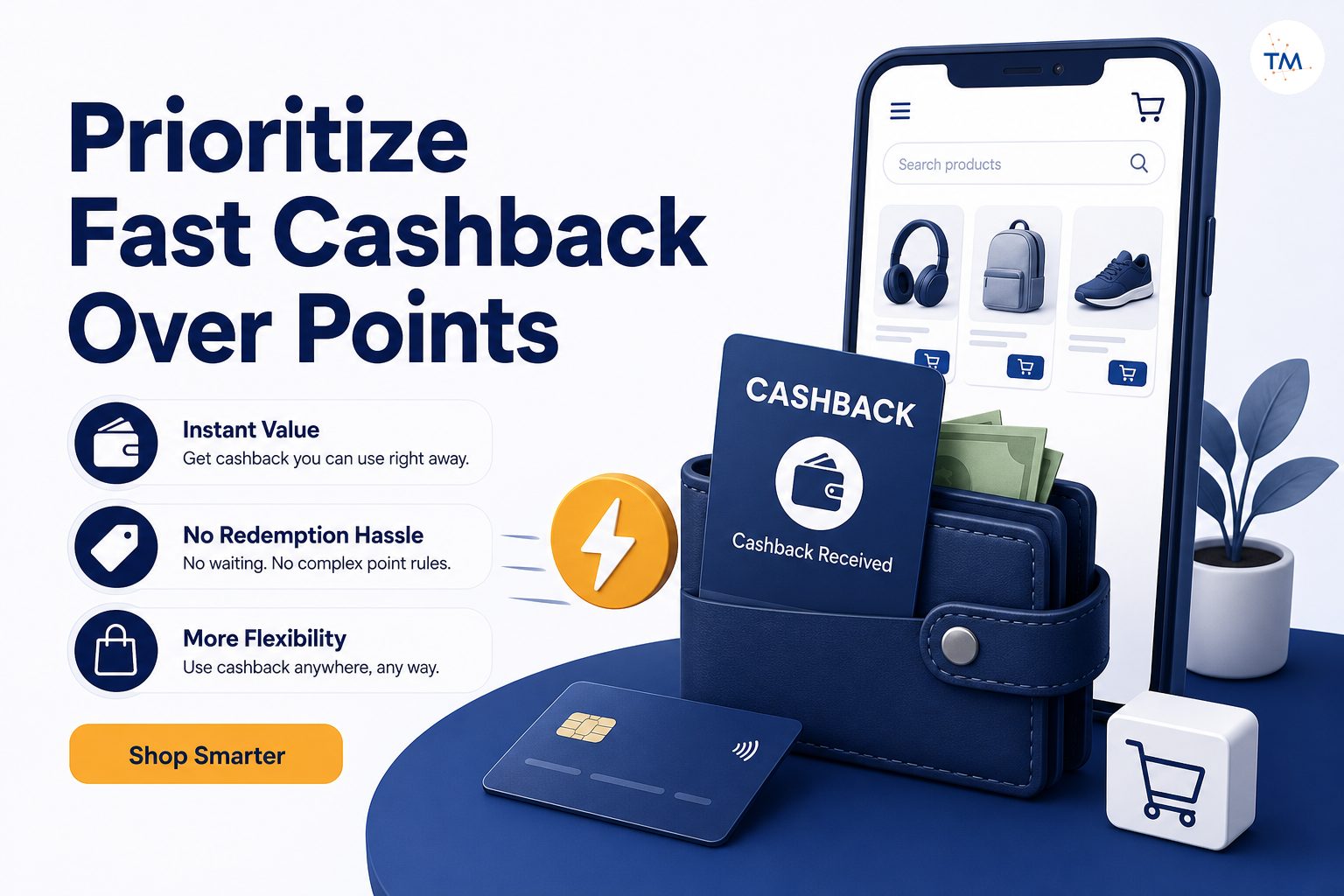
How Much Can You Save with Fast Cashback?
When it comes to maximizing the benefits of using your credit card, fast cashback can offer significant savings compared to accumulating points, which often come with restrictive usage terms. Fast cashback translates directly to tangible savings, allowing you to either lower your monthly expenditure or redirect funds towards other necessary expenses or savings goals. For example, assume your cashback rate is 2% on a monthly expenditure of $1,000; you would save $20 monthly, translating to $240 annually without any additional effort or changes in spending habits.
The efficiency of fast cashback truly shines when compounded over time. Over several years, these savings can significantly contribute to an emergency fund or retirement savings. Moreover, unlike points that might require a certain threshold before redemption or may expire, cashback is often credited back to your account much sooner, offering more immediate financial relief. By shifting focus from points to fast cashback, you take advantage of lower redemption thresholds and a more straightforward reward system, ultimately providing a consistent and more reliable savings pathway that can ease financial planning and budgeting.
How Many Cashback Programs Should You Join?
When considering how many cashback programs to join, it's essential to strike a balance between maximizing rewards and managing your spending habits. Joining multiple cashback programs can diversify your opportunities to earn rewards, allowing you to optimize savings across various categories, such as groceries, dining, travel, and online shopping. However, it's important to not overwhelm yourself with too many programs, which could lead to confusion or missed benefits. A practical approach involves starting with two or three programs that align closely with your most frequent spending categories or your specific financial goals. This way, you can effectively track your cashback earnings without feeling overburdened by excessive management.
Another factor to consider is the compatibility of cashback programs with your lifestyle and spending patterns. For example, if you frequently shop at particular retailers, look for programs that offer enhanced rewards for those stores. Similarly, examine any annual fees or membership requirements, as these can offset potential gains. Leveraging tools and apps that automatically apply applicable cashback offers can alleviate the hassle of remembering all program details and ensure you never miss out on savings opportunities. Take advantage of sign-up bonuses and introductory offers, but remain cautious and evaluate whether the program meets your long-term needs beyond the initial perks. Remember, the goal is to enhance your spending efficiency without complicating your financial life.
Do the net-benefit check
The Best Strategies for Earning Fast Cashback
To optimize your cashback rewards, it's essential to first choose the right credit card that aligns with your spending habits. Look for cards that offer high cashback percentages on categories where you spend the most, such as groceries, dining, or travel. Some credit cards provide welcome bonuses or higher cashback rates for the first few months, which can be a great way to boost your cashback quickly. Moreover, many credit cards have partnerships with specific retailers, offering additional cashback when you shop at these stores. It's smart to consolidate your purchases at these retailers to maximize your earnings.
Another effective strategy is to take advantage of online shopping portals. Many credit card issuers and financial institutions offer their own shopping portals that give you additional cashback when you make purchases through them. These can be stacked with your credit card's regular cashback rewards, increasing your total cashback. Additionally, consider using cashback apps on your smartphone. These apps can provide immediate cashback on everyday purchases, and some even offer bonuses for accumulating a certain amount of cashback. It's also important to pay your balance in full each month to avoid interest charges, which can negate your cashback savings.
Finally, stay informed about seasonal promotions and rotating bonus categories that can temporarily increase the cashback offered on certain purchases. Many credit cards have quarterly categories where they give higher cashback percentages on items like gas or home improvement purchases. By keeping track of these categories and adjusting your spending accordingly, you can significantly enhance your cashback benefits. Subscribe to newsletters or set up alerts to ensure that you don't miss out on these lucrative opportunities.
FAQ: Common Questions About Cashback vs. Points
When it comes to deciding between cashback and points, there are several frequently asked questions that can help guide your decision-making process. One of the most common questions is: "Which provides more value in the long term, cashback or points?" The answer largely depends on your spending habits and preferences. Cashback offers straightforward value by providing a specific percentage of your expenditures back to you, typically as a statement credit or bank deposit. This simplicity makes it an attractive option for those who prefer tangible monetary benefits. On the other hand, points can potentially offer greater value if used strategically, particularly for travel-related perks or luxury items. Points can often be redeemed for flights or hotel stays at a higher value than their equivalent cashback would offer, making them appealing for frequent travelers.
Another frequent question is: "How do redemption processes compare for cashback and points?" Cashback redemption is generally easier and more flexible. It often involves direct credits to your account which can be used for any purchase or bill payment, ensuring you see immediate benefits. Points, meanwhile, may come with certain restrictions. They often have specific redemption portals, blackout dates, and point expiry conditions which can complicate use. However, many people find the challenge worthwhile as points often have promotions or bonuses that can amplify their value significantly.
Lastly, people often wonder: "Are there any costs or fees associated with either cashback or points programs?" While many cashback programs are straightforward with minimal fees, points programs might involve annual fees or membership costs, especially for reward cards that offer premium benefits. It's crucial to weigh these costs against potential benefits and choose a program that aligns with your financial goals and lifestyle. Doing a thorough comparison of the fees versus rewards can ensure that you're maximizing your benefits effectively.
What are the advantages of cashback over points?
When it comes to selecting between cashback and points reward systems, many consumers find themselves grappling with which option provides the most tangible benefits. One of the most significant advantages of cashback over points is its straightforward simplicity. Cashback rewards are easy to understand; a percentage of your spending is returned to you in cash, making budgeting and planning significantly more manageable. In contrast, points often have varying values depending on how they are redeemed, which can complicate the valuation process and sometimes lead to dissatisfaction. With cashback, there's no need to navigate complex conversion rates or redemption options, providing a clear and immediate benefit to the consumer.
Moreover, cashback offers greater flexibility in terms of usage. When you receive cashback, it usually comes in the form of a credit to your account or a deposit into your bank account, allowing you the freedom to spend it as you wish. This flexibility is incredibly advantageous compared to points that often have restrictions on their usage, such as being limited to specific retailers or requiring a minimum threshold before redemption. Cashback can easily contribute to reducing overall expenses or even be saved as part of a broader financial strategy, adding to its allure as a more versatile reward option.
Another critical advantage is the immediacy associated with cashback rewards. Many programs provide cashback on a regular cycle, such as monthly or quarterly, contributing to a quicker realization of the rewards. Points, on the other hand, can sometimes take longer to accumulate meaningful value, delaying gratification. This immediacy not only enhances cash flow for individuals but also allows for tangible financial benefits that can aid in reducing debt or facilitating further purchases without having to wait for an intricate points redemption cycle to mature. This makes cashback a practical and appealing option for those looking to maximize their financial rewards with minimal hassle.
How quickly can I earn cashback?
Earning cashback quickly is an appealing prospect for many consumers, as it allows for immediate financial benefits rather than waiting for points to accumulate. To prioritize fast cashback over points, start by selecting credit cards or financial programs that offer higher cashback rates on everyday purchases such as groceries, dining, or fuel. These categories not only account for a large portion of monthly spending but also often feature accelerated cashback earnings in many card offerings. For example, some cards provide 5% cashback on grocery store purchases, compared to a mere 1% on other spending categories, which can significantly boost your cashback earned in a short period.
Additionally, pay attention to promotional offers and sign-up bonuses. Many credit cards offer limited-time promotions or welcome bonuses that allow new cardholders to earn a substantial amount of cashback after spending a certain amount within the initial months. These promotions accelerate the cashback process, providing a quick return on spending. To leverage these offers effectively, it's crucial to align them with your regular spending habits to ensure the minimum spend is met without unnecessary expenditure. Furthermore, some cards provide cashback redemption in the form of statement credits, direct deposits, or checks, allowing you to access your rewards quickly and use them as needed.
Lastly, consider utilizing cashback programs and apps alongside your credit card strategies. These platforms often offer additional cashback on top of what your card provides, enhancing the speed at which you earn rewards. By linking your credit or debit card to these apps, you can earn cashback on purchases you were planning to make anyway, effectively doubling your earnings. Remember to frequently check your card statements and app dashboards to track your earnings and ensure you're maximizing your cashback potential by taking advantage of all available opportunities.
Can I use cashback rewards for travel expenses?
Absolutely! When considering the benefits of cashback rewards for travel expenses, many may wonder if these financial perks can effectively reduce the costs associated with traveling. The short answer is yes, cashback rewards can be a valuable tool for offsetting travel expenses, offering more flexibility compared to traditional travel points. Instead of being limited to specific airlines or hotel chains, with cashback, you can apply your earned rewards as a statement credit toward any travel-related purchase like flights, hotel stays, car rentals, or even dining experiences during your trip. This adaptability makes cashback rewards particularly appealing for those who prioritize ease and simplicity in their travel planning.
Furthermore, cashback rewards provide an immediate and straightforward benefit. When you redeem these rewards for travel expenses, you're essentially getting a discount on the total cost, without the hassle of converting points or meeting complex redemption criteria. Often, this means you can manage your travel budget more effectively and make spontaneous travel decisions without worrying about blackout dates or seat availability typically associated with travel points. By leveraging cashback rewards, travelers can enjoy a broader range of options and potentially increase their ability to explore new destinations more frequently.
To make the most of cashback rewards for travel, consider using credit cards that offer heightened cashback percentages on travel expenditures. This approach maximizes your earning potential every time you book a flight or reserve a hotel, thereby increasing the cashback that can be reinvested into future travel-related expenses. It's wise to review the terms and conditions of your specific credit card to ensure that it aligns with your travel priorities, ensuring you get the most value when utilizing cashback benefits for your adventures.
What's the difference between cashback and points?
When it comes to credit card rewards, the choice often boils down to cashback versus points. Understanding the fundamental differences between these two options is crucial for consumers who want to maximize their benefits. Cashback is straightforward—users earn a percentage of their spending back as cash, which can be directly redeemed against their bill, deposited into a bank account, or received through a check. This simplicity makes cashback highly attractive to those who prefer immediate and tangible benefits without the hassle of converting or calculating points.
On the other hand, points are a form of currency in a credit card's rewards program that accrues with each eligible purchase. Points can often be redeemed for travel, dining, merchandise, or transferred to partner programs. The potential upside of points is their flexibility and the opportunity to gain higher value through strategic redemptions, such as booking luxury travel at a fraction of the cash price. However, this requires careful management to navigate the complexities of reward charts and transfer partnerships effectively.
In choosing between cashback and points, one must consider their spending habits and redemption preferences. If you prefer a straightforward, no-frills reward that benefits you directly with minimal effort, cashback is the way to go. Conversely, if you relish the challenge of maximizing value through strategic planning and are willing to spend the time to do so, points might offer a more rewarding experience. Understanding these differences will ensure consumers can leverage credit card benefits that align with their lifestyle and financial goals.
Are there any fees associated with cashback rewards?
When considering cashback rewards, it's essential to understand the potential fees associated with earning and redeeming them. Typically, cashback rewards are a straightforward incentive offered by credit card companies or financial institutions, where a percentage of your spending is returned to you. However, some programs may come with associated fees. For instance, certain credit cards that offer attractive cashback percentages might carry annual fees. It's crucial to weigh these fees against the cashback benefits to determine if the card provides net gains for your financial situation. Additionally, some programs might impose transaction fees on international purchases, which can affect the overall value of your cashback rewards.
Another potential fee to keep in mind is the redemption fee. While most cashback programs allow you to redeem your rewards without cost, some may charge a small fee if you choose to convert your cashback into a different form, such as gift cards or travel miles. It's also important to review the card's terms for any hidden fees that might reduce the value of your cashback, such as late payment fees which can offset any rewards earned. Being aware of these details enables you to make informed decisions and maximize the benefits of your cashback rewards, ensuring that you aren't caught by surprise with unexpected charges that diminish your cashback gains.
Lastly, keep an eye out for expiration dates on cashback rewards. Although not fees in the traditional sense, some programs may reclaim unused cashback if it isn't redeemed within a certain timeframe, essentially negating the rewards. Understanding all possible costs and conditions related to cashback programs empowers you to not only prioritize fast cashback effectively but also to mitigate any financial drawbacks. With a thorough understanding, cashback rewards can be a beneficial aspect of managing personal finances, offering real savings on everyday purchases.
Conclusion: The Path to Fast Cashback Satisfaction
In conclusion, achieving satisfaction with fast cashback rewards requires a strategic approach to maximizing the benefits of your spending. Prioritizing fast cashback over points means focusing on financial gain rather than accumulating travel miles or reward points that might not align with your immediate financial goals. Start by selecting credit cards specifically designed for cashback rewards. This often involves choosing cards that offer higher cashback percentages on common expenses like groceries, gas, and dining. By concentrating on these everyday categories, you can maximize your returns without changing your spending habits drastically.
Additionally, ensure that you're aware of the cashback terms and conditions to avoid missing out on potential rewards. Some cards may offer rotating categories with increased cashback percentages that require enrollment every quarter. Setting a reminder can help you stay on top of these opportunities. Furthermore, consider combining cashback offers with other discounts or promotions available through retailers, utilising apps and browser extensions that automatically apply coupons and rebates to your purchases. By aligning your financial habits with these strategies, you're setting yourself up for consistent and rewarding cashback accumulation, ultimately leading to financial satisfaction and greater flexibility in your budget.
Make cashback part of your smarter shopping routine
Create a free Testmarket account and keep building a savings-first approach to every purchase.
Cashback vs. points FAQ
Not always. Cashback is usually better for simplicity and flexibility, while points may offer more value for people who carefully redeem them for travel or premium experiences.
Use cards that reward your everyday categories, take advantage of sign-up bonuses that fit your normal spending, and stack card rewards with cashback portals or retailer offers when available.
Yes. Because cashback has a clearer cash value, it can be applied toward bills, savings, planned purchases, or other budget priorities without complicated conversions.
Review annual fees, interest charges, redemption thresholds, category limits, expiration rules, and any terms that could reduce the real value of your rewards.
Only if you can manage them easily. The article recommends starting with two or three programs that align with your most frequent spending categories or financial goals.
Smarter einkaufen mit Testmarket
Werden Sie kostenlos Mitglied für exklusive Deals, Cashback und vertrauenswürdige Produktbewertungen.
