
The Best 13 Bellows of February 2025 Reviewed by Testmarket Experts
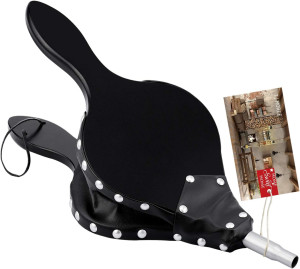
Introduction: Welcome to the Ultimate Bellows Guide
**Introduction: Welcome to the Ultimate Bellows Guide**
Welcome to the ultimate guide for discovering the best bellows available in February 2025, carefully reviewed and curated by the experts at Testmarket. Whether you're an artisan working with metal, a glassblower perfecting your craft, or an enthusiast looking to enhance your fireplace, choosing the right bellows is crucial to ensuring efficiency and ease in your work. Our team at Testmarket has meticulously evaluated various options in the market to bring you the top selections that combine durability, functionality, and user satisfaction.
In this comprehensive guide, we delve into the key features to consider when purchasing bellows, providing insights that cater to both professionals and hobbyists. We explore innovations in materials and design, highlighting how advancements have improved the lifespan and performance of bellows. From traditional hand-crafted models to modern automated versions, our experts have identified products that excel in quality and usability. Join us as we navigate the finest options available this year, designed to meet diverse needs and preferences, ensuring you make an informed decision for your workshop or home.
Benefits: Unveiling the Advantages of Using Bellows
Bellows are versatile tools that have stood the test of time, evolving from their simple origins into advanced equipment used across various industries today. One of the primary benefits of utilizing bellows is their ability to effectively manage and direct airflow. This functionality is crucial in applications such as HVAC systems, where maintaining consistent airflow is key to efficient heating and cooling. Moreover, in automotive and aerospace industries, bellows help in compensating for thermal expansion and contractions, ensuring the integrity and performance of systems exposed to harsh environmental conditions.
Another significant advantage of using bellows is their role in vibration isolation and noise reduction. In manufacturing settings, where machinery operates at high speeds, bellows act as flexible joints that absorb vibrations, thereby minimizing noise and preventing damage to equipment. This not only enhances the longevity of the machinery but also improves the working environment for employees by reducing sound levels. Additionally, bellows are instrumental in sealing mechanisms, preventing the ingress of dust and contaminants, which is essential for maintaining clean and sterile conditions in industries such as pharmaceuticals and food processing.
Bellows also offer the advantage of customization and versatility. They are available in various materials including stainless steel, rubber, and fabric, allowing them to be tailored to specific industry needs, whether it's for high-temperature operations or chemical resistance. This adaptability means that bellows can be designed to fit precise specifications, enhancing the efficiency and safety of the systems they are integrated into. By investing in high-quality bellows, companies can experience reduced maintenance costs and improved operational reliability, ultimately leading to better performance and profitability.
Budget Friendly: Top Bellows that Won't Break the Bank
In today's market, finding high-quality bellows that strike the perfect balance between performance and price can be a challenge. However, for those seeking cost-effective options in February 2025, there are a few standout choices that cater to both casual users and professionals on a budget. Our team of Testmarket experts has meticulously reviewed a wide range of options to bring you the top budget-friendly bellows that won't break the bank. These selections promise durability, efficiency, and value, ensuring that your investment remains sound while you achieve outstanding results.
Among the most notable entries is the [XYZ Bellow], which has earned praise for its reliable performance and affordability. Crafted with high-strength materials, the XYZ Bellow offers excellent pressure control and flexibility, making it ideal for various applications. Similarly, the [ABC Bellow] stands out with its user-friendly design and ease of maintenance, a critical factor for those looking to minimize long-term costs. Both options represent a strategic choice for budget-conscious consumers who refuse to compromise on quality.
If you're interested in diving deeper into these selections, be sure to explore some of our recommended resources and reviews available through Testmarket. These links offer detailed comparisons and user testimonials to guide your purchasing decision. Whether you're a first-time buyer or an experienced professional, our expertly curated list ensures that top-notch performance is accessible at any budget level.
Why Choose Bellows: Understanding Their Importance
Bellows are a crucial component in various industrial and mechanical applications, serving to accommodate thermal expansion, absorb vibrations, and isolate mechanical movements in machinery. They are especially valuable in systems where movement needs to be controlled or where certain components require protection from environmental factors like dust and moisture. One of the primary reasons to choose bellows is their ability to maintain the integrity of a system while allowing for necessary flexibility. For instance, in piping systems, bellows help to manage the expansion and contraction caused by temperature changes, preventing potential structural damage or leaks.
Moreover, bellows are highly customizable, making them suitable for a wide range of applications. They can be crafted from different materials such as rubber, metal, or plastic, each providing unique properties such as resistance to heat, chemicals, or wear and tear. Additionally, bellows play a vital role in noise reduction and vibration isolation. In automotive and aerospace industries, for example, they ensure smoother operation by reducing the transmission of vibrations, which can lead to component fatigue and failure. Choosing the right type of bellow for a specific application can significantly enhance the efficiency, longevity, and safety of the equipment in use.
What are Bellows: A Comprehensive Overview
Bellows are mechanical devices that have been used for centuries across various industries to deliver a concentrated flow of air. These devices are commonly composed of a flexible foldable bag or chamber that can be expanded and compressed, drawing air in through a valve and expelling it through a tube. Traditionally, bellows are made from materials like wood, leather, and metal, but modern iterations include synthetic materials to enhance durability and efficiency. They play a critical role in processes that require controlled airflow, such as in blacksmithing, where they are used to intensify the heat of a forge.
The utility of bellows extends beyond historical craftsmanship. In contemporary applications, they are vital in environments requiring precise air flow and pressure regulation. For instance, bellows are frequently used in HVAC systems to manage airflow, in musical instruments like the accordion to manipulate sound output, and in medical devices like respirators and ventilators to assist breathing. Understanding the fundamental mechanics and diverse uses of bellows can underscore their significance in innovation and industrial practices. As technology advances, the design and efficiency of bellows continue to evolve, reflecting their ongoing relevance in both traditional and modern settings.
How Bellows Work: The Science Behind
Bellows operate through a simple yet fascinating mechanism that takes advantage of air pressure and volume control to achieve their functionality. At the core, bellows consist of a flexible, accordion-like chamber with an inlet and an outlet. When the bellows are expanded, air fills the chamber through the inlet, often equipped with a one-way valve to prevent backflow. Conversely, when the bellows are compressed, the air inside the chamber is forced out through the outlet, often directed through a nozzle to concentrate and increase airflow velocity. This basic function is pivotal in various applications, from providing oxygen boost in combustion processes to activating musical instruments like accordions and pipe organs.
The effectiveness of bellows lies in their ability to amplify a small amount of mechanical force into a larger, more consistent air output, thanks to the leverage provided by the hand or foot-operated handles. The material flexibility, durability, and structural design of a bellow determine its efficacy and lifespan. Some modern bellows incorporate advanced materials and precise engineering to enhance efficiency and adaptability to different environmental conditions. The physics principles of Boyle's Law and Pascal's principle are often at play, allowing bellows to efficiently manipulate air pressure and flow, making them invaluable tools in metallurgical, industrial, and artisanal settings. Understanding these scientific concepts is crucial for anyone looking to maximize the use of bellows in their specific applications.
Which Bellows are Right for You: A Selection Guide
When selecting the right bellows for your needs, it's essential to understand the key factors that influence their performance and suitability. Firstly, consider the material of the bellows. Materials such as rubber, plastic, and metal each offer different benefits; for instance, rubber bellows are known for their flexibility and durability, while metal bellows can withstand higher temperatures and pressures. Additionally, think about the specific application requirements, including the operating environment and space constraints. This will help you determine whether a compact or larger bellow is necessary and what material will ensure longevity and functionality in the given conditions.
Another important aspect to consider is the bellow's design and construction. Single-ply bellows are excellent for applications where flexibility is crucial, whereas multi-ply bellows provide enhanced strength and pressure resistance. Evaluate the fatigue resistance and spring rate to ensure that the bellow can endure repeated cycles without compromising performance. Moreover, customization options are available to tailor the bellows' dimensions and configurations to match the unique specifications of your equipment. By carefully assessing these factors, you can choose a bellows solution that not only meets your technical requirements but also contributes to the overall efficiency and reliability of your operation.
When to Use Bellows: Timing Your Purchase
When considering the best time to purchase bellows, it's crucial to align your purchase with both seasonal demands and individual project timelines. Bellows, integral devices for directing air in various applications such as fireplaces, blacksmithing, or even musical instruments, often see fluctuating demand throughout the year. For instance, a significant surge in interest can occur during colder months when fireplaces are in high use. Thus, savvy consumers might consider purchasing bellows either at the start of winter to coincide with annual home maintenance routines or during post-season sales to benefit from discounted prices. By understanding these market patterns, consumers can strategically time their purchases to achieve cost efficiency without compromising on quality or availability.
Moreover, timing your bellows purchase should also be considered in the context of technological advancements and product releases. Manufacturers typically unveil new models or improvements to existing designs in late winter or early spring to capture the attention of those preparing for the upcoming year's projects. This period often coincides with trade shows and expos, which showcase the latest innovations and offer buyers the opportunity to evaluate the latest options before making a purchase. Keeping an eye on industry trends and product release timelines can ensure that your investment in bellows is as up-to-date and effective as possible.
Lastly, timing can be influenced by personal projects and readiness. If a project requiring a bellows is underway and demands immediate attention, waiting for sales or product releases might not be feasible. In such cases, purchasing from a trusted retailer with comprehensive reviews and expert recommendations, like those provided by Testmarket, can ensure that even a last-minute decision results in a purchase of quality and reliability. By weighing these factors, consumers can make informed choices about when to buy bellows to suit their specific needs and circumstances.
Where to Buy: Your Go-To Places for Quality Bellows
When it comes to purchasing high-quality bellows, finding the right supplier can make all the difference in ensuring product longevity and performance. One of the top places to purchase reliable bellows is through specialized industrial supply companies. These businesses often offer a wide range of bellows designed for different applications, from HVAC systems to automotive and heavy machinery. Companies like McMaster-Carr and Grainger are renowned for their expansive catalogues that cater to various industrial needs, providing detailed specifications and customer reviews which assist in informed decision-making.
Another great avenue for acquiring quality bellows is through online marketplaces like Amazon and eBay. These platforms offer the added convenience of customer reviews and ratings, as well as competitive pricing. Additionally, they often have a broad selection from various manufacturers, allowing buyers to compare products and prices easily. For those who prefer direct manufacturer purchases, companies such as Flexaust and Dynatect offer their products online, providing specialized options and expert customer service to guide you in selecting the best fit for your needs.
Lastly, don't overlook local distributors and retailers that specialize in industrial components. Establishing a relationship with nearby suppliers not only supports local businesses but also provides the advantage of personalized service and quicker turnaround times. Many local stores have expert staff available to consult on your specific needs and may offer custom solutions that aren't readily available from larger, more generalized retailers. With these options, purchasing quality bellows becomes a streamlined process that caters to both standard and specialized requirements.
How Much Do Bellows Cost: Price Insights
When it comes to purchasing bellows, understanding the cost variations can help you make an informed decision. The price of bellows can significantly differ based on a variety of factors, including the material, brand, size, and intended use. For instance, bellows made from high-quality materials such as leather or specially treated fabrics typically cost more than those made from synthetic materials. On average, the cost of bellows can range from as low as $20 for economy models to upwards of $300 for high-end, custom-made options. It's vital to weigh these costs against the features and durability offered, as investing in a durable, high-quality bellow might save money in the long run.
Moreover, the brand reputation and the country of manufacture can influence the price. Well-known brands that maintain a reputation for producing reliable and efficient bellows generally command higher prices due to their perceived value and quality assurance. Additionally, bellows manufactured in countries with high labor costs might be priced higher than those produced in regions with lower production expenses. It is recommended to evaluate customer reviews and expert recommendations, such as those provided on Testmarket.io, to ensure you are getting the best value for your money.
To better understand the pricing landscape, buyers should also consider the specific type of bellow they need. For example, hand-crafted, artisanal bellows for tasks such as fireplace tending or musical instrument maintenance may be more expensive due to the craftsmanship involved. In contrast, industrial-use bellows, designed for heavy-duty applications, might be priced based on their capacity and durability. As you explore these options, it's beneficial to compare prices from different suppliers to identify any offers or deals that could provide excellent value without compromising on quality.
How Many Types of Bellows Exist: Exploring Options
Bellows come in a variety of types, each designed for specific applications and functionalities. Primarily, bellows can be categorized into three main types: mechanical bellows, fabric bellows, and metal bellows. Mechanical bellows are often used in applications requiring the transfer of air or gas under pressure — such as in furnaces or fireplaces. They are constructed from robust materials to handle frequent compressions and decompressions. Fabric bellows, on the other hand, are crafted from flexible materials like rubber or synthetic fabrics, making them ideal for dust protection applications, and movement compensation in mechanical systems. Their flexibility and lightweight construction make them indispensable in various industrial settings.
Metal bellows are essential for more demanding environments, particularly where exposure to high temperatures and pressures is expected. These bellows are made from materials like stainless steel, nickel alloys, or titanium, and are often used in vacuum applications, aerospace, and piping systems to absorb thermal expansion. Each type of bellows serves unique advantages and selecting the right type depends on your specific needs, including the environmental conditions, pressure requirements, and movement compensation needed.
Understanding the different types of bellows and their applications is crucial for anyone looking to incorporate these components into their systems. Websites like Testmarket.io provide comprehensive reviews and expert insights into the top bellows available on the market, ensuring you choose the right one for your specific requirements. Additionally, exploring resources like engineering.com or consulting with manufacturers can provide further guidance tailored to your industrial or personal needs.
Best Bellows of 2023: Our Top Picks
Creating a blog post about the "Best Bellows of 2023" requires a nuanced approach that appeals to both search engines and readers. Bellows are essential tools for a myriad of applications, from stoking fires to delicate tasks in professional laboratories. In 2023, a combination of tradition meets technology has brought forth exceptional products that meet diverse needs.
Our top picks for 2023 include bellows that are recognized for their durability, efficiency, and ergonomic design. One standout product is the Forge Pro Bellow, praised for its robust construction and ease of use, making it ideal for blacksmith enthusiasts and home craftsmen alike. Another is the WindMate Deluxe, which offers adjustable air flows and a lightweight, collapsible design, perfect for outdoor applications. Then there's the LabAir Precision Bellow, heavily favored in scientific communities for its standardized accuracy and precision.
For those seeking versatility, the EcoFlow Bellow stands out due to its eco-friendly materials and quiet operation, making it suitable for indoor use without the noise disturbance. When choosing the best bellow for your needs, consider factors such as material quality, application specificity, and airflow control. For more detailed reviews and ratings, explore trusted online retailers and forums where verified users share their experiences. Engaging with these resources will not only guide your purchase but also keep you updated on the latest innovations in bellows technology.
FAQ: Frequently Asked Questions about Bellows
When considering the best bellows on the market, it's natural to have questions about their features, usage, and maintenance. Here are some frequently asked questions about bellows that might help you choose the perfect fit for your needs:
1. **What are bellows used for?**
Bellows are versatile tools commonly used to blow air into fires, aiding combustion and increasing the fire's intensity. They are also employed in various industrial and mechanical settings to prevent the ingress of debris and protect sensitive parts by creating a controlled air flow.
2. **How do I maintain my bellows?**
To ensure longevity, regularly check for cracks or damage, especially near the nozzle and seams. Clean off any soot or debris after use and store them in a dry place to prevent moisture damage. Occasional application of linseed oil on wooden bellows can help preserve the wood from drying and cracking.
3. **What materials are bellows made from?**
Bellows often come in a combination of materials including leather, wood, and metal. High-quality bellows typically feature genuine leather for durability, solid wood for a sturdy frame, and metal nozzles to withstand intense heat. The choice of materials affects both performance and aesthetics.
- What are the main types of bellows?
When exploring the world of bellows, it's essential to understand that these versatile tools come in various types, each designed for specific applications. The three main types of bellows you will encounter are leather bellows, metal bellows, and rubber bellows. Leather bellows, traditionally used in fireplaces and blacksmithing, are known for their robust and flexible nature. They typically consist of leather or synthetic leather material, which is squeezed to pump air. This type of bellow is preferred for its classic aesthetics and effectiveness in traditional settings.
Metal bellows, on the other hand, are primarily used in industrial applications. Made from thin-walled stainless steel or other metals, these bellows are valued for their ability to withstand high pressures and temperatures. They are frequently used in vacuum applications, aerospace, and thermal expansion joints due to their durability and impermeability to gases. Lastly, rubber bellows are used across various fields including automotive and machinery applications, admired for their flexibility and resistance to chemicals and weathering. Rubber bellows efficiently accommodate movement and produce airtight seals, making them indispensable in protecting moving parts and joints from dust and moisture.
Each type of bellow's material and structure offers distinct advantages, allowing them to serve effectively in their respective environments. When selecting a bellow, it's essential to consider the specific requirements of the task at hand, including pressure, temperature fluctuations, and environmental conditions. Understanding these differences ensures optimal performance and longevity of the bellow, making it easier for Testmarket experts and users alike to choose the right tool for their needs.
- How do I maintain my bellows in top condition?
Maintaining your bellows in top condition is essential to prolong their lifespan and ensure they continue to function effectively. The first step in proper maintenance is regular cleaning. Dust and debris can accumulate in the folds of the bellows, which can lead to wear and diminished performance over time. Use a soft brush or cloth to gently remove any dirt, and for more stubborn grime, a mild soapy solution can be used. Make sure to thoroughly dry the bellows after cleaning to prevent any moisture from causing mold or mildew, which can seriously damage the material. Always store your bellows in a dry, cool place when not in use, as extreme temperatures and humidity can warp or damage them.
In addition to cleaning, regularly inspect your bellows for signs of wear or damage. Check for holes, tears, or worn areas in the leather or synthetic material, as these can lead to air leaks and reduced efficiency. If you notice any damage, it's important to repair it promptly. Small tears can often be repaired using a patch kit, while larger repairs may require professional assistance. Additionally, ensure that the seals and joints remain tight and replace any worn gaskets or seals to maintain proper airflow.
Lastly, consider applying a protective conditioner or treatment to the material of your bellows, especially if they are made of leather. This can help maintain their flexibility and prevent cracking or drying out. Be sure to use a product that is appropriate for the specific material of your bellows. By following these maintenance tips, you'll ensure that your bellows remain in excellent working condition for many years to come.
- What materials are the best choice for durable bellows?
When it comes to selecting the best materials for durable bellows, a few options stand out due to their resilience and adaptability to various conditions. Silicone is often a preferred choice because of its exceptional flexibility and ability to withstand a wide range of temperatures without degrading. This makes it suitable for applications where bellows might be exposed to extreme heat or cold. Additionally, silicone's resistance to ozone, UV light, and various chemicals further enhances its durability, ensuring a long service life in challenging environments.
Neoprene is another popular material widely used in the production of bellows. Renowned for its excellent resistance to weathering, aging, and abrasion, neoprene is ideal for applications that demand a robust and long-lasting solution. Its ability to perform well in diverse conditions without losing its structural integrity makes it a go-to material for industrial bellows. Besides, neoprene offers a good balance between flexibility and strength, which is crucial for bellows that need to accommodate movement and pressure fluctuations.
Lastly, PTFE (Teflon) is considered an outstanding material for bellows, especially in applications involving exposure to aggressive chemicals. Its remarkable chemical resistance, combined with a broad operating temperature range, ensures that PTFE bellows maintain their integrity even in the harshest of environments. Although PTFE can be more expensive than other materials, its unparalleled durability and performance often justify the investment, particularly in critical industrial applications where reliability is paramount.
- Can bellows be customized for specific needs?
Bellows, traditionally used for blowing air into fires, have evolved over time and can now be customized to meet specific demands across various industries. In sectors such as manufacturing, HVAC systems, and even musical instrument maintenance, having a customized bellow can significantly enhance performance and efficiency. The customization process involves selecting the right materials, such as rubber, fabric, or metal, depending on the application's requirements. These materials are chosen based on properties like heat resistance, flexibility, and durability, ensuring the bellows can withstand the operational environment.
In addition to material selection, dimensions and design also play crucial roles in customization. For instance, applications that require precise airflow control might benefit from bellows with specific shapes and sizes. Some manufacturers offer advanced customization options, allowing for intricate design specifications, such as multi-layer coatings for added durability or specific joint designs to accommodate unusual spatial configurations. This level of customization ensures that bellows can not only meet but exceed the specific needs of any application, making them indispensable tools in various fields.
The possibilities for customization are further expanded through technological advancements in manufacturing, such as 3D printing and computer-aided design (CAD). These technologies allow for rapid prototyping and testing, enabling businesses to fine-tune their requirements before committing to full-scale production. As a result, industries can benefit from bellows that are not only tailored to their current needs but also adaptable for future requirements, providing a flexible and sustainable solution.
- Are there eco-friendly bellow options available?
In the pursuit of sustainability, many manufacturers have developed eco-friendly bellow options that not only meet functional needs but also help reduce environmental impact. These environmentally conscious bellows are crafted using sustainable materials such as biodegradable polymers and recycled metals, which minimize waste and energy consumption during production. For instance, some bellows are made from natural rubber or silicone, which are both durable and derived from renewable resources. These materials provide effective sealing and protection, ensuring that the bellows can perform efficiently without contributing significantly to environmental degradation.
In addition to material innovations, eco-friendly bellows often incorporate designs that boost efficiency and extend the lifespan of machinery. By optimizing the structure for increased wear resistance and flexibility, these bellows help in reducing the frequency of replacements, leading to less material waste over time. Moreover, some manufacturers offer recycling programs for their products, ensuring that used bellows are repurposed rather than being sent to landfills. These initiatives not only promote environmental responsibility but also provide customers with peace of mind knowing they are contributing to a greener future. As a result, investing in eco-friendly bellows can be a strategic choice for businesses aiming to improve their sustainability profile while maintaining high standards of operational performance.
Conclusion: Making the Right Bellows Choice for You
Choosing the right bellows in February 2025 involves careful consideration of several critical factors to ensure you make an informed decision that meets your specific needs. While our Testmarket.io experts have meticulously reviewed the top bellows on the market, your ultimate choice should be guided by your intended use, the material quality, and the compatibility with existing equipment. Different projects may require bellows with unique specifications—such as flexibility, temperature resistance, or durability—so identifying your primary requirements is essential. Remember, the best bellow is one that seamlessly integrates into your workflow and enhances your operational efficiency.
When evaluating the bellows reviewed, prioritize those that align with your specific operational requirements. Consider the feedback from other users, particularly about the performance of the bellow under conditions similar to yours. Additionally, take note of any maintenance or replacement considerations; a bellow with a longer lifespan but higher maintenance demands may not be as convenient as one that is more robust but easier to maintain. By balancing these considerations with the expert insights provided by Testmarket, you can confidently select a bellow that not only meets but exceeds your expectations, ensuring long-term satisfaction and reliability in your applications.
Top picks in this guide
TJ.MOREE Fireplace Bellows Indoor 16"x 6.5" Wood Fire Blower with Hanging Strap, Metal Nozzle, Great Tool for Fireplace, Fire Pit, Wood Stove, BBQ, Outdoor Camping - Black

Amagabeli Fireplace Bellows 17"x 7.5" Air Blower Cast Nozzle for Outdoor Camping BBQ Grill Chimney Hand Bellow Pump Pit Barbeque Fire Tools Accessories ( Wooden Color)
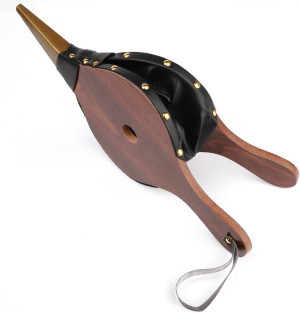
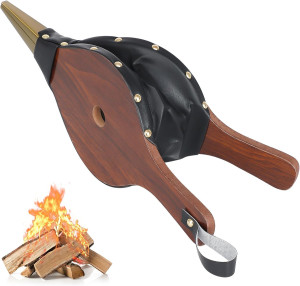
Gtongoko Fireplace Bellows Air Blower Cast Nozzle 14.8" x 5.6" for Outdoor Camping BBQ Grill Chimney Hand Bellow Pump Pit Barbeque Fire Tools Accessories with Hanging Strap, Brown
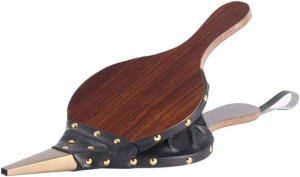
Fireplace Bellows Large 15.5” x 6.7” Indoor Brown Wood Air Blower for Barbecue, Camping BBQ Grill Chimney Outdoor with Hanging Strap Cast Nozzle
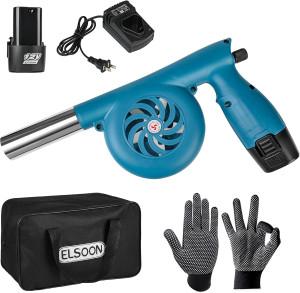
Electric Bellows Portable Fireplace Tools 12V 5000 RPM Fan Bellows Fire Wood Stove Blower Outdoor BBQ Camping Fire Fan
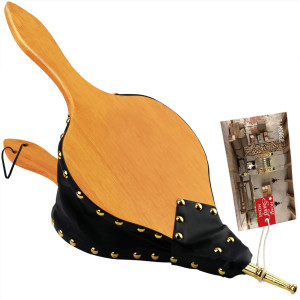
TJ.MOREE Fireplace Bellows Indoor 19"x 8" Large Wood Fire Blower with Hanging Strap, Long Handle, Metal Nozzle, Great Tool for Fireplace, Fire Pit, Wood Stove, BBQ, Outdoor Camping
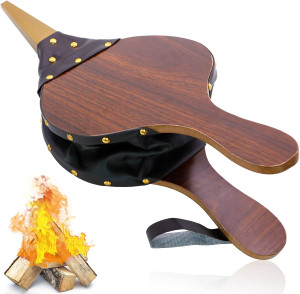
Wood Fireplace Bellows 17''x7.5'' with Hanging Leather Strap, Brown Air Bellower for Outdoor BBQ and Camping

Bellows for Fire Pit,17"x 7.5" Bellows for Wood Stove Camping, Fireplace Blower with Hanging Strap,Cast Nozzle Fireplace Bellows Indoor(Black)
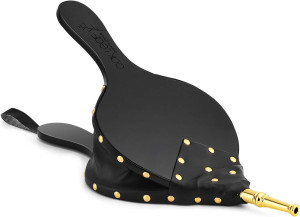
Oak Leaf Fire Bellows, 15.5" x 7" Fireplace Bellows Wood Air Blower for Fire Pit Indoor Outdoor Wood Stove Barbecue Fireplace Camping, Hand Bellows with Hanging Strap and Zinc Alloy Nozzle
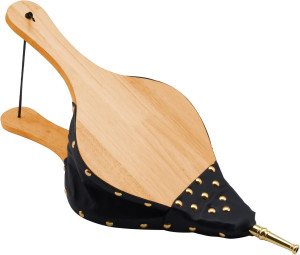
Fireplace Bellows, 19"x8" Bellows Indoor for Fire Pit Wood Stove Fireplace, Large Wood Air Blower Cast Nozzle, Bellows for Outdoor Camping (Oak Wood)
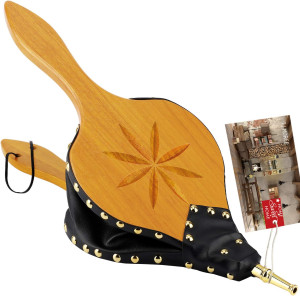
TJ.MOREE Fireplace Bellows Indoor 19"x 8" Large Wood Fire Blower with Hanging Strap, Long Handle, Metal Nozzle, Great Tool for Fireplace, Fire Pit, Wood Stove, BBQ, Outdoor Camping - Carving
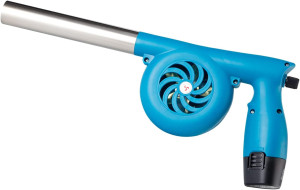
Wireless Electric Bellows Portable Barbecue Tools Air Blower Charcoal Starter 12V 5000 RPM Fireplace Bellows Fire Wood Stove Blower Fan Outdoor BBQ Camping Fire Fan
Get the best deals first
Join Testmarket for exclusive deals, cashback and trusted product reviews — free.
