
The Best 19 Fuels of February 2025 Reviewed by Testmarket Experts

Introduction to Fuels: Know Your Energy Sources
In today's world, understanding the various types of fuels available is crucial for both consumers and industries. Fuels are energy sources that are quintessential to powering homes, vehicles, industries, and even electronic devices. From traditional fossil fuels like coal, oil, and natural gas to renewable options like solar, wind, and biofuels, each type has its distinct characteristics, benefits, and environmental impacts. As we navigate through an era focused on sustainability, the shift towards cleaner and more efficient energy sources is more important than ever. Awareness about the diversity and functionality of these fuels can empower consumers to make informed decisions that align with both personal and environmental priorities.
The energy landscape is shifting dramatically with innovations and policy changes supporting a greener future. Renewable fuels, for instance, harness natural processes and are continuously replenished; examples include solar energy captured through photovoltaic cells, wind energy generated by turbines, and biofuels derived from organic materials. Meanwhile, traditional fossil fuels, although rich in energy density and currently predominant, are finite and contribute significantly to environmental pollution. Nuclear energy, another powerful source, offers high energy output with minimal greenhouse emissions but comes with challenges like radioactive waste disposal. By understanding these various energy sources, consumers can better appreciate their advantages and limitations and contribute to a more sustainable energy future.
Discover the Benefits of Choosing the Right Fuels
Choosing the right fuel is not just about powering your vehicle or machinery; it's a crucial decision that affects performance, efficiency, and environmental impact. Opting for the correct fuel type can significantly enhance the lifespan of your engine by reducing wear and tear. Quality fuels often contain additives that clean and protect your engine, improving combustion efficiency and overall performance. This means fewer emissions and a better carbon footprint, aligning with global sustainability goals. The right fuel also ensures that your vehicle or machinery runs smoothly in varying conditions, helping avoid unexpected breakdowns and costly repairs.
Moreover, selecting the appropriate fuel contributes to economic efficiency. Fuels that offer higher energy content per unit can result in more mileage and lower consumption, translating into cost savings for individuals and businesses alike. By reducing frequency of refueling and maintenance costs, the right fuel maximizes operational budgets. Additionally, some fuels are now produced to be more environmentally responsible, often derived from renewable resources, which supports the global movement towards more sustainable energy consumption. As technology evolves, staying informed about the latest fuel options can provide both immediate and long-term benefits, contributing to a more sustainable and efficient use of energy resources.
Fuels on a Budget: Cost-Effective Energy Solutions
In the realm of energy consumption, finding cost-effective fuels without compromising on quality is a priority for many individuals and businesses. As we move into February 2025, Testmarket experts have extensively reviewed various fuels, highlighting those that offer the best value for money. Affordable fuels like compressed natural gas (CNG) and biofuels have taken center stage due to their lower costs and increased efficiency. CNG, in particular, is becoming a preferred choice for vehicle owners and fleet operators because it costs less per mile compared to traditional gasoline. Meanwhile, biofuels derived from organic materials like ethanol and biodiesel provide not only a budget-friendly alternative but also contribute to reducing carbon emissions, aligning with global sustainability goals.
Aside from these, domestic heating solutions have also seen a shift towards cost-effective options like wood pellets and propane. Wood pellets are not only economical but also renewable, making them a popular choice for eco-conscious homeowners. Propane, a byproduct of natural gas processing and petroleum refining, is praised for its versatility and affordability in home heating, cooking, and even as vehicle fuel. The flexibility of propane enables households to manage energy expenses efficiently without sacrificing comfort. For those keen on reducing their energy bills further, investing in energy-efficient appliances and incorporating smart energy management systems can significantly maximize the benefits of these budget-friendly fuels.
Why Our Fuels Stand Out in the Market
Our fuels stand out in the market due to their unparalleled quality and innovative characteristics that cater to a wide range of consumer needs. At Testmarket, we prioritize sustainability and efficiency in our fuel offerings, ensuring that each product undergoes rigorous testing and development to meet the highest standards. Our expert team continuously explores advanced technologies to reduce emissions and improve fuel economy, making our fuels a smart choice for environmentally-conscious consumers. Combined with our commitment to sustainability, we ensure that all our fuels contribute positively toward reducing the carbon footprint without compromising performance.
Moreover, our extensive network ensures that we can supply our cutting-edge fuels to a vast array of industries, guaranteeing accessibility and reliability. We offer fuels tailored for both commercial and personal use, accommodating various engine types and requirements. With customer satisfaction at the forefront, each fuel type is developed with cutting-edge technology and backed by our exceptional customer service. This strategic combination of quality, innovation, and support not only sets our fuels apart in the market but also reinforces consumer trust and loyalty.
What Makes Our Fuels the Best Choice?
When seeking out the best fuels, it's essential to consider factors that align with performance, sustainability, and efficiency, and that's precisely where our selection of the best fuels for February 2025 stands out. Our fuels are developed with cutting-edge technology tailored to meet the rigorous demands of modern engines while ensuring optimal energy conversion and minimal emissions. By incorporating advanced additives, our fuels not only maximize engine performance but also extend the lifespan of vehicles, providing enhanced lubrication that minimizes wear and tear. These attributes collectively reduce maintenance costs and contribute to a smoother, more efficient ride.
In addition to engine performance, sustainability is at the core of our fuel selection. We prioritize fuels that are derived from renewable sources or enhanced with bio-components, significantly reducing the carbon footprint compared to traditional fossil fuels. Our experts at Testmarket have rigorously evaluated the lifecycle emissions of each fuel, ensuring that every product we recommend supports global efforts in reducing environmental impact. This commitment not only helps in preserving natural resources but also ensures compliance with increasingly stringent environmental regulations worldwide.
Our fuels are also backed by extensive research and expert reviews to ensure they meet the highest standards of quality and performance. As part of our commitment to transparency and consumer education, we provide detailed reports and analyses for each fuel option, which you can find on our website. These resources offer insights into the compatibility of each fuel type with various vehicle models and highlight the best use cases, empowering consumers to make informed decisions that fit their specific needs.
How to Select the Perfect Fuel for Your Needs
Selecting the perfect fuel for your needs involves understanding the specific requirements of your application and considering several key factors that can significantly impact performance and cost-efficiency. Firstly, you should evaluate the energy content of each fuel option, as a higher energy content means that less fuel is needed for the same output, leading to cost savings in the long run. Additionally, specific energy needs vary greatly depending on whether you are powering a vehicle, appliance, or industrial equipment. For instance, while gasoline might be suitable for most vehicles, diesel engines require diesel fuel for their optimal operation and longevity.
Another crucial consideration is the environmental impact of your chosen fuel. In today's world, sustainability is increasingly prioritized, and opting for cleaner fuels like natural gas or biofuels can help minimize your carbon footprint and contribute to a healthier planet. Fuels with lower emissions not only benefit the environment but can also comply with regulatory requirements, potentially avoiding fines and encouraging incentives. Furthermore, evaluate the availability and infrastructure associated with each fuel type. A fuel that offers excellent performance but is difficult to access or requires substantial infrastructure investment might not be practical for your needs. By balancing these factors—energy content, environmental impact, and infrastructure requirements—you can more effectively select a fuel that aligns with your specific needs and priorities.
Which Fuel is Right for You? An In-depth Guide
Choosing the right fuel for your needs can be a complex decision, influenced by a variety of factors including environmental impact, cost, availability, and specific use cases. In February 2025, the array of available fuels expands beyond traditional options like gasoline and diesel to include biofuels, electric power, hydrogen, and natural gas. Each type of fuel offers unique benefits and drawbacks. For instance, electric power is lauded for its zero emissions and efficiency but may be limited by infrastructure and range capabilities. On the other hand, biofuels present a renewable alternative that can reduce carbon footprints but might involve higher production costs and land use concerns.
When deciding which fuel is right for you, consider your primary needs and lifestyle. For city dwellers with access to charging stations, electric vehicles might be ideal due to their quiet operation and low environmental impact. Conversely, those living in rural areas with less infrastructure might rely on gasoline or diesel until alternatives become more accessible. Hydrogen fuel is emerging as a potential game-changer, with fast refueling times and long driving ranges, suitable for both personal and commercial use. However, its adoption is still in the early stages and infrastructure is developing. Understanding these nuances and aligning them with your priorities can guide you in selecting the most suitable and sustainable fuel option.
When to Opt for Alternative Fuels
When considering the impact of conventional fuels on the environment, opting for alternative fuels becomes a crucial decision. One of the primary reasons to switch to alternative fuels is their potential to reduce greenhouse gas emissions significantly. Fuels like biodiesel, hydrogen, and natural gas offer cleaner combustion processes, leading to lower carbon dioxide and other pollutant emissions. This not only helps in mitigating climate change but also contributes to improved air quality, which is vital for public health. Moreover, many alternative fuels are renewable resources, making them a sustainable choice as we strive to meet energy demands without depleting natural reserves.
Another compelling reason to choose alternative fuels is energy independence. By reducing reliance on imported oil, countries can enhance their energy security and stabilize domestic energy prices. Alternative fuels such as ethanol, produced from domestically grown crops, and electricity generated from renewable sources, can diversify the energy portfolio. This diversification helps cushion the economy from global oil market volatility and fosters local economies by creating jobs in new energy sectors. Additionally, advancements in technology have made these fuels more accessible and affordable, providing both economic and environmental benefits. When considering the long-term sustainability of our energy consumption, transitioning to alternative fuels offers a promising pathway.
Where to Find the Best Fuel Deals
Finding the best fuel deals can significantly impact your monthly budget, especially with fluctuating prices in 2025. Savvy consumers know that timing and location play crucial roles in securing the best prices. Begin your search by checking fuel comparison websites such as GasBuddy and Fuel Finder, which offer up-to-date price comparisons in your area. These platforms not only alert you to the best deals but also feature price alert services that notify you when prices drop or when your preferred fuel reaches a specific price point. Additionally, many gas stations offer loyalty programs or membership cards that provide discounts or cashback after a certain number of purchases, making them valuable tools for frequent drivers.
Another excellent strategy for finding competitive fuel prices is leveraging apps that provide real-time information and user-submitted data. Apps like Waze and Google Maps often include reports from users on current fuel prices at nearby stations, enabling you to choose the most cost-effective option on your route. Moreover, consider signing up for newsletters or alert systems of the top fuel retailers, as they frequently send out exclusive deals or limited-time offers. You can also explore social media pages or groups dedicated to car enthusiasts and savvy shoppers for tips and recommendations on where to find the best fuel deals. By combining these resources, you can make informed decisions and ensure that you buy fuel at the lowest possible prices in 2025.
How Much Can You Save with Our Fuels?
When considering the potential savings from using our recommended fuels, it's essential to look at both the short-term and long-term financial impacts. Our experts at Testmarket have rigorously reviewed each fuel option to determine their efficiency and cost-effectiveness. By choosing the right fuel, you can significantly reduce your monthly energy expenses. Not only do efficient fuels result in lower consumption, thereby decreasing costs, but they also contribute to less frequent maintenance needs for your heating systems and vehicles. This is because high-quality fuels burn cleaner, reducing the build-up of residues that can lead to wear and tear on engines and heating equipment.
Moreover, many of the fuels we have reviewed carry additional perks such as loyalty programs, rebates, and tax incentives. For example, transitioning to certain biofuels or sustainable energy sources might qualify you for government rebates or tax credits, adding even more to your savings. Imagine reducing your monthly fuel expenses by 10-20%, and then multiplying those savings with tax benefits for using eco-friendly options. Over a year, these savings can accumulate to substantial amounts, empowering you to allocate resources more effectively elsewhere.
How Many Types of Fuels Should You Know About?
When it comes to understanding the various types of fuels available, it is essential for both consumers and industry professionals to be well-informed. The world of fuels has evolved significantly over the years, with advancements in technology and environmental considerations playing pivotal roles. Traditional fuels such as petrol, diesel, and coal have long dominated the market, but in recent times, the spotlight has shifted towards alternative and renewable energy sources. This shift is primarily driven by a collective effort to reduce the carbon footprint and mitigate the adverse impacts of fossil fuels on the environment. As a result, biofuels, hydrogen, and electricity have emerged as viable alternatives, offering lower emissions and improved efficiency.
In addition to these popular options, there are several other specialized fuels that cater to specific needs, such as aviation fuel, marine fuel, and synthetic fuels. Aviation fuels, for instance, are highly refined and made to withstand extreme temperatures and pressures at high altitudes, ensuring safety and reliability in air travel. Marine fuels, on the other hand, are designed to power large ships and boats, often made from a variety of crude oil blends. Synthetic fuels represent a cutting-edge area of research, produced through chemical reactions involving water and carbon dioxide. These fuels are not yet widely commercialized but show great promise in terms of sustainability and performance. Understanding the pros and cons of each type of fuel is crucial for making informed decisions, whether you're fueling your car, investing in energy stocks, or exploring new technologies.
Find the Best Fuels for Your Home or Business
When choosing the best fuels for your home or business, understanding the different types available and their benefits is crucial. Whether you are looking for efficiency, cost-effectiveness, or sustainability, there is a fuel type to meet your needs. For homeowners, traditional options like natural gas and propane remain popular due to their reliability and relatively low cost. However, there is a growing interest in renewable energy sources such as solar and biomass, which offer environmental benefits and can reduce reliance on fossil fuels. On the commercial side, businesses often opt for diesel or electricity, depending on their operational requirements, as these fuels can provide the necessary energy demand for larger operations.
It's important to consider factors such as energy efficiency, availability, and environmental impact when selecting a fuel. For example, natural gas is highly efficient and widely available, making it a practical choice for many. Alternatively, solar power, though initially more expensive due to installation costs, offers long-term savings and significant reductions in carbon emissions. Businesses could also explore hybrid systems that combine renewable energy with traditional fuels to optimize both efficiency and sustainability.
Stay informed about advancements in fuel technologies and regional availability, as these can influence your options and costs over time. Consulting with energy experts and using resources such as EPA guides on energy efficiency can guide you to make informed decisions. For those interested in sustainable options, exploring incentives for renewable energy through government programs can provide additional financial benefits.
FAQs About Fuels: Answering Your Burning Questions
### FAQs About Fuels: Answering Your Burning Questions
Navigating the world of fuels can often be confusing with the myriad of options available in the market. Testmarket Experts have collated some of the most frequently asked questions to help you make informed decisions. One common query revolves around the environmental impact of different fuel types. Generally, renewable fuels like biodiesel and ethanol are considered more environmentally friendly compared to fossil fuels such as gasoline and diesel. This is because renewables tend to produce fewer greenhouse gases and can be sourced from sustainable materials.
Another popular question is about the cost-effectiveness of various fuels. While traditional options like diesel and gasoline typically have a lower initial cost, renewable options might offer long-term savings due to improved efficiency and government incentives. Additionally, consumers often ask about the compatibility of different fuels with their vehicles. Most modern engines are versatile enough to handle multiple fuel types, but it's crucial to consult your vehicle manual or a professional to avoid potential damage. As technology advances, fuels like hydrogen and electricity are becoming more common, promising a cleaner and more efficient future for consumers and the planet alike.
Conclusion: Making Informed Fuel Choices
When it comes to making informed fuel choices, understanding both the benefits and potential drawbacks of various options is crucial. In February 2025, Testmarket Experts analyzed a range of fuels to provide consumers with detailed insights into their performance, efficiency, and environmental impact. Whether you're considering traditional fossil fuels, biofuels, or emerging synthetic alternatives, having access to expert reviews can bolster your decision-making process. This ensures you select fuels that align with your sustainability goals, budget constraints, and energy needs.
Additionally, it's important to stay informed about the continuous advancements in fuel technology. Many newer fuels are designed to reduce emissions and improve energy efficiency, making them attractive options for both individual consumers and industries looking to reduce their carbon footprint. By consulting the latest expert reviews and comparisons, you can keep ahead of the curve and choose fuels that not only meet your immediate needs but also contribute to long-term environmental sustainability. Utilizing Testmarket's analysis provides a solid foundation for robust and responsible fuel utilization in 2025 and beyond.
Top picks in this guide
Bio Ethanol Fireplace Fuel 3 x 1 Liter - Bioethanol Fuel Tabletop Fire Pit, Bio Ethanol for Table Top Fire Pit & Fireplaces - Made in USA

Bioethanol Fireplace Fuel 1 Liter - Clean Burning, Odorless, and Smokeless Bioethanol Fuel for Tabletop Fireplaces, Bio Ethanol Fuel for Table Top Fire Pit, Renewable Ethanol Fire Pit Fuel Burners

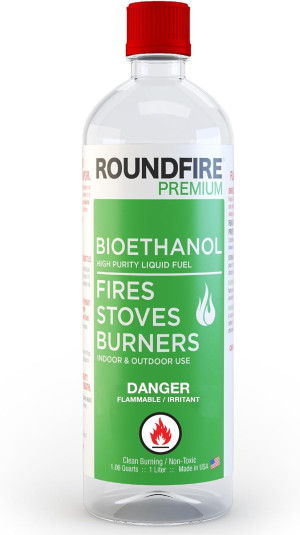
Roundfire Premium Ethanol Fuel - 3 x 1 Liter - for Tabletop Fireplaces, Fire Pits and Gel Fuel

MEECO'S RED DEVIL 5 Pound Creosote Destroyer Powder for Efficient Chimney Cleaning - Fireplace Soot Remover & Creosote Remover - USA Made Formula

Real Flame Gel Fuel Cans - 24-Pack - Gelled Isopropyl Alcohol for Indoor or Outdoor Fireplaces
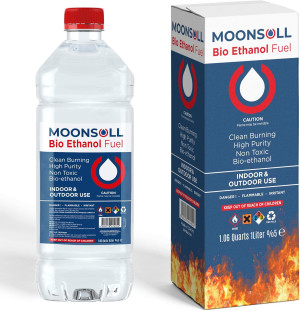
Bioethanol Fuel for Table top Fire Pit (1 Liter), Clean Burning, Ventless, Ethanol Fireplace Fuel, Denatured Alcohol, Bio Alcohol for Fireplaces, Stoves and Burners (1 Pack 1,06 Quart)

Rutland Creosote Antidote™, 3X Cleaning Power, Chimney Cleaning Fire Logs, 2-Pack Creosote Sweeping Firelogs, 2.45 lbs Each Treatment, Made in USA


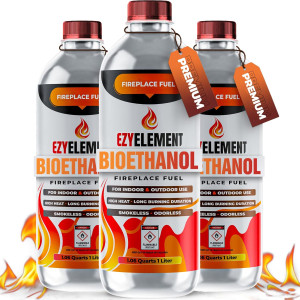
Bioethanol Fireplace Fuel 3 x 1 Liter - Clean Burning, Odorless, and Smokeless Bioethanol Fuel for Tabletop Fireplaces, Bio Ethanol Fuel for Table Top Fire Pit, Renewable Ethanol Fire Pit Fuel Burners

Royal Oak Canned Heat 12/6 Hour Fuel, Easy Open, Resealable, Non-Drip, for Food, Chafing Dishes, Buffet Burners, Parties, Weddings, BBQs, Small, Red

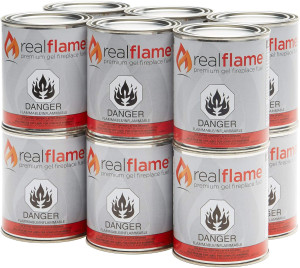
Real Flame Gel Fuel Cans - 12-Pack - Gelled Isopropyl Alcohol for Indoor or Outdoor Fireplaces

Sterno Fuel Cans - 2.25 Hour Burn, Chafing Dish Fuel Can Burners for Food Warmer, Chafer Fuel, Green Canned Heat Ethanol - Pack of 6



Terra Flame Pure Gel Fuel | Clean-Burning & Smoke-Free | Fuel for Fireplace, Fire Log Inserts & Fire Bowl | (13 oz. - Pack of 6)

Chimney Cleaning Logs for Fireplace, Creosote Logs for Fireplace Cleaning, Creosote Remover, Soot Clean Fire Logs for Indoor Fireplace, Fireplace Cleaner Creosote Sweeping Log for Fireplace, Pack of 2
Get the best deals first
Join Testmarket for exclusive deals, cashback and trusted product reviews — free.
