
The Best 5 Wood Burning Fireplaces of February 2025 Reviewed by Testmarket Experts

Introduction to Wood Burning Fireplaces
Wood burning fireplaces have long been cherished for their timeless appeal and ability to create a cozy, inviting atmosphere in any home. Their warmth and crackle bring a sense of nostalgia, evoking memories of gathering around the hearth on chilly evenings. In recent years, there's been a resurgence in their popularity as homeowners seek to incorporate more natural and traditional elements into their living spaces. Wood burning fireplaces not only offer practical benefits, such as providing an efficient source of heat, but they also serve as a stunning focal point in any room.
When choosing a wood burning fireplace, it's essential to consider various factors such as the size of your space, the style of the fireplace, and your heating needs. Today's market offers a wide range of options, from classic masonry fireplaces to modern, eco-friendly designs that optimize fuel efficiency and reduce emissions. Additionally, advancements in technology have made it easier than ever to maintain these fireplaces, with features like easy-to-use vents and improved safety standards ensuring a seamless user experience. As you explore Testmarket's top picks for February 2025, you'll find expert reviews that highlight the unique benefits and features of each model, helping you make an informed decision for your home.
Beyond their aesthetic and functional qualities, wood burning fireplaces can also add value to your property. A well-chosen fireplace enhances the ambiance of a home and can be a significant selling point for potential buyers who appreciate the charm and warmth it brings. As you review the top wood burning fireplaces of February 2025, let Testmarket's experts guide you through the best options available, ensuring you select a fireplace that meets both your style preferences and logistical requirements. Whether you're seeking to create a traditional setting or embrace a more contemporary look, wood burning fireplaces can beautifully complement your home's interior, making them a worthwhile addition to any renovation or new build project.
The Benefits of Choosing Wood Burning Fireplaces
Wood burning fireplaces offer a unique blend of warmth, ambiance, and functionality that can greatly enhance any living space. One of the most compelling benefits is the traditional and cozy atmosphere they create. The crackling sound of burning wood and the flickering light of the flames can transform a room, making it a perfect setting for relaxation and gathering with loved ones. Many homeowners find that a wood burning fireplace acts as a focal point in their home, encouraging quality family time and memorable moments.
In addition to their aesthetic appeal, wood burning fireplaces can be a practical choice for heating your home. They are particularly advantageous in areas with abundant wood resources, allowing homeowners to utilize local, renewable fuel sources. This can significantly reduce reliance on electricity or gas during colder months, potentially lowering energy bills and contributing to a more sustainable lifestyle. Moreover, modern wood burning fireplaces are designed to be more efficient and environmentally friendly, with improved technology to reduce emissions while maximizing heat output. This makes wood burning fireplaces not only a charming choice but also a responsible and contemporary option for home heating.
Budget-Friendly Wood Burning Fireplace Options
When it comes to enhancing the charm and warmth of your home without breaking the bank, budget-friendly wood-burning fireplaces are an excellent choice. These cost-effective options offer the rustic appeal of traditional fireplaces while fitting snugly into a more conservative budget. Many brands have developed fireplaces that not only prioritize cost efficiency but also deliver on quality and design. Look for models made from high-durability materials like steel or iron, which can withstand high temperatures while offering longevity. Additionally, opting for a model with a more compact design can often reduce the cost, making it an ideal option for smaller spaces or as a secondary heating source.
When shopping for budget-friendly wood-burning fireplaces, consider the efficiency and maintenance costs. Models equipped with EPA certification typically meet stricter emission standards, ensuring a cleaner burn and, ultimately, better air quality in your home. Furthermore, these models can often translate to savings on wood fuel consumption over time. If you're handy, seeking out a DIY installation model can also save on professional installation fees. Some popular and affordable brands to consider include Pleasant Hearth, which offers both style and functionality, and Ashley Hearth Products, known for their efficient designs and accessibility. By focusing on these budget-friendly options, you can enjoy the cozy ambiance of a wood-burning fireplace without stretching your finances.
Why Choose a Wood Burning Fireplace?
Wood burning fireplaces offer a unique charm and ambiance that modern alternatives often fail to replicate. The soft crackle and warm glow of a real fire create a cozy atmosphere that is perfect for gatherings or a quiet evening at home. Additionally, wood burning fireplaces are efficient sources of heat, capable of significantly warming up a room or even an entire home, depending on the size and design. Unlike electric or gas fireplaces, they don't require a power source, making them an ideal backup heating option during power outages, especially in colder months.
Opting for a wood burning fireplace also allows homeowners to enjoy the rustic and aesthetic appeal of a traditional hearth. The sight and sound of a wood fire provide sensory experiences that are both soothing and invigorating, transforming any living space into a comforting retreat. Furthermore, using renewable fuel sources like wood can be more environmentally friendly compared to fossil fuels, especially when sourcing wood locally and purchasing it from sustainable suppliers. With the right maintenance and use of efficient burning techniques, a wood burning fireplace can be a cost-effective and eco-conscious choice for keeping warm.
What Makes the Best Wood Burning Fireplaces Stand Out?
When evaluating the best wood burning fireplaces, several key features set standout models apart from the rest. First and foremost is efficiency. A top-tier wood burning fireplace needs to maximize heat output while minimizing wood consumption. This is achieved through advanced combustion technology that not only ensures a longer, more complete burn but also reduces emissions, making these fireplaces more environmentally friendly. Look for models with a high efficiency rating and EPA certification as these indicators signify a fireplace that combines performance with eco-consciousness.
Another critical factor is aesthetic versatility. The best wood burning fireplaces not only heat your home but also serve as a central design element. High-quality models offer a range of customizable options, such as varied fronts, mantels, and inserts, allowing homeowners to match their fireplace with their interior decor seamlessly. Whether you prefer a rustic, traditional look or a sleek, modern design, the right fireplace should enhance your living space, fitting both stylistically and spatially without compromise.
Lastly, safety features are paramount. A distinguished wood burning fireplace incorporates safety mechanisms such as durable glass doors, air wash systems to keep the glass clear, and effective chimney systems to prevent smoke and other hazardous gases from entering the home. These features ensure peace of mind for users, which is an invaluable aspect of a trusted fireplace. Always consider models from well-reviewed manufacturers who prioritize safety and reliability, as indicated through product reviews and expert endorsements.
How to Choose the Right Wood Burning Fireplace for Your Home
When choosing the right wood burning fireplace for your home, it's essential to consider several factors that will ensure both efficiency and aesthetic appeal. First, evaluate the size of the space where you intend to install the fireplace. A fireplace that is too large for a small room can lead to excessive heat, whereas a small fireplace in a large area may not heat the space effectively. It's crucial to match the fireplace size to your specific room dimensions for optimal performance and comfort.
Next, consider the design and material of the fireplace. Traditional fireplaces often come in brick, stone, or metal finishes, each offering a unique look and durability. Your choice should complement your home's interior design while also taking into account maintenance requirements and heat efficiency. For example, metal fireplaces may require less maintenance and can offer a more modern, sleek look, while stone fireplaces often provide a more rustic aesthetic.
Finally, think about the installation and venting requirements. Proper installation by a certified professional is imperative for safety and efficiency. Additionally, ensure your home has the correct type of chimney or venting system for the fireplace you choose, as improper venting can lead to smoke issues and potential health hazards. By considering these factors, you can select a wood burning fireplace that not only enhances your home's ambiance but also meets your heating needs efficiently.
Which Wood Burning Fireplace is Perfect for You?
When it comes to selecting the perfect wood burning fireplace, there are several key factors to consider that can significantly enhance your home's ambiance and functionality. Start by assessing the size of the space where you plan to install the fireplace. Larger rooms may benefit from a more robust model capable of heating the entire area efficiently, while a compact design might be ideal for smaller spaces or supplementary heating needs. Additionally, consider the design and aesthetics of the fireplace. From rustic and traditional styles to sleek and modern looks, the choice should complement your interior decor seamlessly.
Functionality and fuel efficiency are crucial when choosing a wood burning fireplace. Opt for models with advanced features like adjustable heat settings, efficient combustion systems, and easy-to-clean designs that make regular maintenance a breeze. Many contemporary wood burning fireplaces are designed with eco-friendliness in mind, featuring lower emissions and improved air quality standards. Consider models that come with additional ventilation systems or catalytic converters to maximize efficiency while minimizing environmental impact.
Finally, evaluate your budget and long-term investment potential. While initial costs can vary, investing in a high-quality fireplace often results in greater savings over time due to lower fuel consumption and increased durability. Don't hesitate to explore customer reviews and expert recommendations to gain insights into real-world performance, reliability, and customer satisfaction. By carefully analyzing these aspects, you can choose a wood burning fireplace that not only suits your preferences but also provides warmth and comfort for years to come.
When is the Best Time to Use a Wood Burning Fireplace?
When it comes to enjoying the warmth and ambiance of a wood-burning fireplace, timing is everything. The best time to use a wood-burning fireplace is during the colder months, typically from late fall through early spring. This period, often referred to as the heating season, is when temperatures drop and extra warmth is a welcome comfort in the home. During this time, the coziness and nostalgic charm of crackling logs not only offer physical warmth but also create a cozy atmosphere perfect for family gatherings and relaxing evenings.
Another time when a wood-burning fireplace is most beneficial is during power outages in the winter months. When electricity is unavailable, a wood-burning fireplace can serve as an essential backup heat source, ensuring that you and your family stay warm. Additionally, using your fireplace during evenings and weekends when the household is most likely to be at home can maximize both its warmth and aesthetic appeal, making these moments extra special with the added traditional touch of a real flame.
Preparing for firewood season and ensuring that your fireplace is clean and in good working order during the early fall can make all the difference. This preparation includes scheduling routine maintenance like chimney sweeps to mitigate any risks associated with chimney fires and ensure efficient burning. By optimizing your usage to align with these seasons and precautions, you not only increase your comfort but also enhance the safety and efficiency of your wood-burning fireplace.
Where to Install Your Wood Burning Fireplace for Maximum Efficiency
When choosing the ideal location for your wood-burning fireplace to ensure maximum efficiency, it is crucial to consider both the design of your home and the fireplace's heating potential. The fireplace should be installed in a central area of your home, such as the living room or a spacious open-plan area, to allow for even heat distribution. This placement maximizes the fireplace's ability to warm multiple rooms efficiently, reducing the need for auxiliary heating systems and optimizing energy usage. By situating the fireplace centrally, you also enhance its role as a focal point, adding both aesthetic value and practical functionality to your home.
Additionally, consider the existing airflow and ventilation when installing a wood-burning fireplace. Good ventilation is essential for ensuring efficient combustion, reducing smoke, and maintaining air quality indoors. Position your fireplace near an external wall to facilitate direct venting for smoke and toxins, while also designing the chimney with the proper height and width for optimal draft. Avoid placing the fireplace near large windows or external doors, as these can lead to substantial heat loss. Proper insulation around the fireplace also contributes to maintaining the desired indoor temperature, making your wood-burning fireplace a reliable and efficient heat source throughout the colder months.
How Much Do the Best Wood Burning Fireplaces Cost?
When exploring the cost of the best wood-burning fireplaces in February 2025, several factors come into play, affecting the overall investment. High-quality wood-burning fireplaces typically range from $1,500 to $5,000, depending on the brand, materials, and additional features. Entry-level models focus on basic functionalities, providing essential warmth and ambiance. However, as you move up the price scale, fireplaces boast advanced features like higher efficiency ratings, sophisticated airflow controls, and aesthetic enhancements, justifying the increased cost. Recognized brands, known for their superior craftsmanship and durability, also command higher prices, ensuring you receive both functionality and style in your home.
Installation costs are another significant consideration, influencing the total expense. Depending on your home's specific layout and requirements, professional installation can add $500 to $2,500 to your budget. It's crucial to factor in these additional costs, as correct installation ensures the fireplace's efficiency and safety. Furthermore, maintenance costs, including chimney cleaning and inspection, should be budgeted annually to maintain the fireplace's efficiency and longevity. Thus, when budgeting for a wood-burning fireplace, it's essential to consider all these associated costs, ensuring a well-rounded investment decision that balances upfront costs with long-term benefits.
How Many Types of Wood Burning Fireplaces Are There?
When it comes to wood burning fireplaces, there are primarily four main types that enthusiasts and homeowners often consider: traditional open hearth fireplaces, fireplace inserts, wood stove fireplaces, and zero-clearance fireplaces. Each of these types offers distinct advantages and drawbacks that cater to different needs and preferences.
Traditional open hearth fireplaces are the quintessential image of a wood burning fireplace, often found in older homes. They offer an impressive, open flame view which creates a cozy and inviting atmosphere. However, these fireplaces are not the most efficient option for heating, as a significant portion of the heat escapes through the chimney. Fireplace inserts, on the other hand, are designed to fit into these existing open hearths and can transform them into an efficient heating solution by leveraging closed combustion techniques that improve heat output.
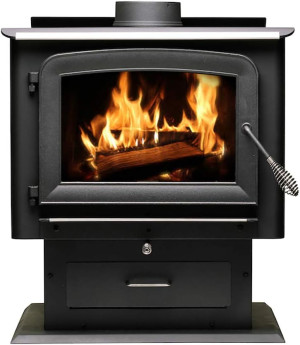
Wood stove fireplaces are standalone units that can be placed anywhere with a proper venting system. They are known for their excellent heating efficiency and are available in a variety of designs and sizes to suit different aesthetic preferences and space requirements. Lastly, zero-clearance fireplaces are pre-manufactured and can be installed against combustible materials, allowing for greater flexibility in placement within a home. These fireplaces are ideal for new constructions and remodeling projects because they offer a high degree of customization and are generally more energy-efficient than traditional open hearths.
Best Wood Burning Fireplaces for 2023
When it comes to cozying up by the fire during the chilly months, nothing beats the ambiance and warmth of a wood-burning fireplace. As we look ahead to 2023, several models stand out for their efficiency, design, and sustainability. Among the top choices are fireplaces that not only provide exceptional heat output but also enhance the aesthetic of your home. A few leading options have been engineered to reduce emissions and enhance fuel efficiency, making them environmentally friendly and cost-effective in the long run. As more homeowners seek sustainable heating solutions, these fireplaces have integrated the latest technology to ensure minimal impact on the environment while maximizing comfort and style.
One standout in 2023 is the [Brand X Model A], which combines contemporary design with cutting-edge technology. Its advanced air wash system keeps the glass door clear for a fantastic view of the dancing flames, while the high-efficiency combustion process ensures that you get the most heat from each log. Similarly, the [Brand Y Model B] offers a classic aesthetic with modern upgrades, including a catalytic combustor that significantly reduces smoke and enhances heat production. For those who prioritize ecological benefits, models like the [Brand Z Eco Series] focus on utilizing sustainably sourced materials and reduce carbon footprints with cleaner combustion methods.
Additionally, it's important to consider the practical aspects, such as installation and maintenance, when selecting the right fireplace for your home. Look for models that fit seamlessly into your living space, whether you're upgrading an existing hearth or installing a new one. Ensure they comply with local regulations and safety standards. Online resources such as [Testmarket.io], [EPA](https://www.epa.gov/burnwise), and manufacturers' websites can offer detailed specifications, customer reviews, and guidance on choosing the perfect wood-burning fireplace to meet your unique needs. These resources are invaluable for making an informed decision that adds warmth and charm to your home for years to come.
FAQs about Wood Burning Fireplaces
When it comes to selecting the perfect wood burning fireplace, it's natural to have a bunch of questions. Here's a look at some frequently asked questions about wood burning fireplaces to help you on your journey to find the ideal home heating solution.
One of the most common questions is about the efficiency of wood burning fireplaces. While traditional open fireplaces are less efficient compared to modern inserts or standalone stoves, there are many options available today that significantly enhance heat retention. Upgrading to an EPA-certified insert can drastically improve efficiency, ensuring that you maximize the warmth and enjoyment from each log burned. These modern models often come with air control systems to optimize combustion and glass doors to allow for better heat distribution.
Safety is another top concern when it comes to wood burning fireplaces. Experts recommend regular cleaning of chimneys and flue liners to prevent creosote buildup, which can pose a fire hazard. Ensuring proper ventilation is also critical to minimize indoor air pollution. By installing carbon monoxide detectors in key areas of your home, you can ensure peace of mind. When properly maintained, wood burning fireplaces can be a safe, sustainable, and aesthetically pleasing heating option for your home.
- What is the best wood for burning in fireplaces?
When it comes to maximizing the efficiency and enjoyment of your wood-burning fireplace, selecting the right type of wood is crucial. The best wood for burning in fireplaces is typically hardwood, as it burns longer and more steadily compared to softwoods. Hardwood species such as oak, maple, birch, and ash are preferred because they have a higher density, thus providing more heat output. These woods also produce less creosote—a flammable substance that accumulates in chimneys—making them safer and more environmentally friendly options. It is recommended to season the wood for at least six months before use to reduce moisture content, as well-dried wood ignites more easily and burns cleaner.
On the flip side, softwoods like pine and spruce should generally be avoided for indoor burning, as they burn quickly and produce more creosote and soot, leading to increased maintenance and potential hazards. Additionally, burning treated or painted wood is not advisable due to the toxic chemicals that can be released into the air as they burn. For an optimal fireplace experience, prioritize sourcing seasoned hardwood from sustainable sources to ensure both safety and sustainability. Websites such as the USDA's National Firewood Task Force or local forestry services can be useful for finding guidelines and sources for quality firewood.
- Are wood burning fireplaces environmentally friendly?
Wood burning fireplaces have long been cherished for their natural warmth and aesthetic appeal, creating a cozy ambiance that many find irreplaceable. However, the question of their environmental friendliness is multifaceted. On one hand, wood is a renewable resource that, when harvested sustainably, can be a more environmentally conscious option than fossil fuels. Modern advancements have also led to the development of EPA-certified wood stoves and inserts, which are designed to burn wood more completely, reducing particulate emissions and improving energy efficiency. These technologies help minimize air pollutants, making contemporary wood-burning systems significantly cleaner than their traditional counterparts.
Despite these advancements, there are ongoing concerns about the environmental impact of wood burning fireplaces. Burning wood releases carbon dioxide, a greenhouse gas, along with fine particulate matter that can contribute to air pollution and respiratory issues. The impact on local air quality can be significant, especially in areas where wood burning is common. Homeowners should consider these factors and adhere to best practices, such as using well-seasoned wood, maintaining their fireplaces regularly, and considering supplemental use of catalytic or non-catalytic stoves, to mitigate negative environmental impacts. Additionally, choosing sustainably sourced wood and following local regulations can further enhance the environmental sustainability of using a wood burning fireplace.
For those interested in learning more, the Environmental Protection Agency (EPA) provides resources on choosing and maintaining an efficient wood burning stove, while organizations like the Alliance for Green Heat offer insights on renewable biomass fuel. Checking local regulations and rebates for upgrading to an EPA-certified stove can also be beneficial, helping homeowners make informed decisions that align both with environmental standards and personal preferences.
- How often should a wood burning fireplace be cleaned?
Keeping your wood-burning fireplace clean is essential for both safety and efficiency. To ensure optimal performance and reduce the risk of chimney fires, it is recommended to have your wood-burning fireplace and chimney cleaned at least once a year. This annual cleaning should ideally be done before the start of the burning season. However, if you use your fireplace frequently, additional cleanings throughout the season might be necessary. Regular maintenance helps to remove soot, creosote, and other debris that can accumulate and potentially ignite or block airflow.
Beyond professional cleanings, homeowners should also engage in regular upkeep to keep their fireplaces in good working order. This includes removing ashes after approximately every 50 hours of burning and ensuring that the firebox is free from debris. Inspecting the chimney cap and damper periodically for obstructions or damage is also advisable. Consistent maintenance practices prolong the life of your fireplace and contribute to a safer burning experience, ensuring warmth and comfort throughout the cold months.
- What's the difference between a wood stove and a fireplace?
When considering the installation of a new home heating solution, many homeowners find themselves weighing the pros and cons of wood stoves versus fireplaces. While both options provide warmth and an inviting atmosphere, there are substantial differences between the two that may influence your choice. A wood stove, often crafted from cast iron or steel, is a standalone unit designed for efficient heat production. It is enclosed and typically offers a higher level of heat output compared to a traditional fireplace. This efficiency is due to its design, which allows for better control of airflow and combustion, resulting in more complete wood burning and less heat loss. Additionally, wood stoves often come with features like a built-in blower to distribute heat more evenly throughout the room, and they can be an ideal choice for individuals prioritizing heating functionality over ambiance.
Conversely, a traditional wood-burning fireplace is often more about aesthetic appeal than heat production efficiency. Fireplaces are usually built into a wall and serve as a focal point of a room, offering the comforting crackle and visual enjoyment of an open flame. However, this design results in significant heat loss, as a large portion of the produced warmth escapes up the chimney. Despite this, many people prefer fireplaces for their classic charm and the cozy environment they create within a home. Additionally, modern innovations, such as fireplace inserts and glass doors, have enhanced the heat-retaining capabilities of fireplaces while maintaining their visual appeal. Ultimately, the decision between a wood stove and a fireplace may come down to personal preference regarding aesthetics, heating needs, and the specific requirements of your living space.
Conclusion: Making the Best Choice for Your Home
In conclusion, choosing the best wood-burning fireplace for your home involves considering various factors to ensure that you not only enjoy the ambiance and warmth of a traditional fire but also make an energy-efficient and aesthetically pleasing addition to your living space. Among the top five wood-burning fireplaces reviewed in February 2025 by Testmarket experts, each model offers distinct features and benefits that cater to different needs and preferences. It is essential to assess the size of the space you intend to heat, the architectural style of your home, and your personal design preferences. This will help you determine whether a modern, sleek model or a classic, rustic fireplace best suits your home's ambiance.
When making your choice, consider the efficiency and emission ratings of each fireplace, as environmental impact is a significant factor. The models reviewed by Testmarket experts prioritize sustainability by ensuring excellent heat output with minimal emissions. Furthermore, think about the installation and maintenance requirements, as some models may need professional installation while others could be simpler for DIY enthusiasts. Choose a fireplace that aligns with your lifestyle and commitment to upkeep. Utilize this review as a guiding tool in making an informed decision that promises warmth, efficiency, and timeless elegance for many evenings in the years to come.
Remember, integrating a wood-burning fireplace into your home not only elevates its aesthetic appeal but also its property value. By carefully considering the detailed reviews and expert opinions provided, you equip yourself with the knowledge needed to make a purchase that truly complements your home and meets your heating needs. Whether you're drawn by the allure of traditional styles or cutting-edge efficiency, there's a perfect option waiting for you in our curated selection of top picks.
Top picks in this guide
Onlyfire 12'' Smokeless Fire Pit with Carrying Bag, Portable Outdoor Low Smoke Fire Pit for Camping Tailgating Patio Backyard Bonfire, Wood Burning Fireplace, Stainless Steel Black Tall FP054
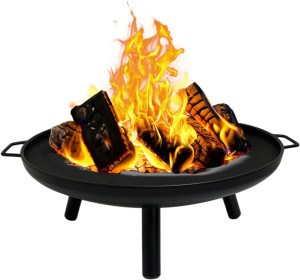
GasOne 23 in Outdoor– Wood Burning Fire Pit – Durable Alloy Steel Fire Pits for Outside – Small Fire Pit for Backyard, Porch, Deck, Camping, BBQ
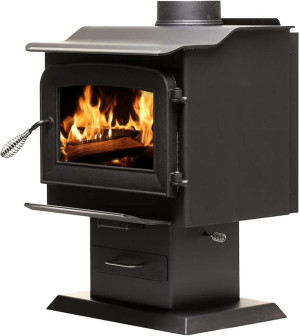
Ashley Hearth Pedestal Wood Burning Stove, Heats 1,200 Sq. Ft., EPA Certified, AW1120E-P, Black
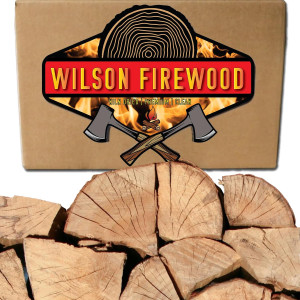
Wilson Cherry Split Firewood - Seasoned Natural Kiln Dried Fireplace, Fire Pit, Bonfire Logs (Regular)
Get the best deals first
Join Testmarket for exclusive deals, cashback and trusted product reviews — free.
