
Referral Bonuses vs Cashback Rewards: Why Choosing the Right One Matters
Referral Bonuses vs Cashback Rewards: Key Differences
Choosing between referral bonuses and cashback rewards is a strategic decision that can significantly impact customer engagement and retention. Referral bonuses offer an incentive for existing customers to bring new users to a business, creating a network effect that can expand a company's customer base through word-of-mouth marketing. These bonuses often take the form of discounts or credits that are beneficial for both the referrer and referee, fostering a sense of community and loyalty around the brand. Moreover, referral bonuses can be a cost-effective marketing strategy, potentially reducing the need for expensive advertising campaigns.
On the other hand, cashback rewards provide immediate gratification to customers, as they receive a portion of their spending back in cash or credit. This approach is particularly attractive for customers who prioritize tangible and instant benefits over long-term gains. Cashback rewards can enhance customer satisfaction and encourage repeat purchases, making them a powerful tool in driving short-term revenue growth. However, businesses need to balance the value offered with their overall profit margins to ensure sustainability.
Ultimately, the decision between referral bonuses and cashback rewards should align with a company's overall marketing objectives and customer relationship strategy. Companies with strong community-oriented brands might benefit more from referral bonuses, while those aiming to drive immediate sales could find cashback rewards more effective. By understanding the preferences and behaviors of their target audience, businesses can tailor their incentive strategies to maximize both customer loyalty and profitability.
Introduction: Understanding Referral Bonuses and Cashback Rewards
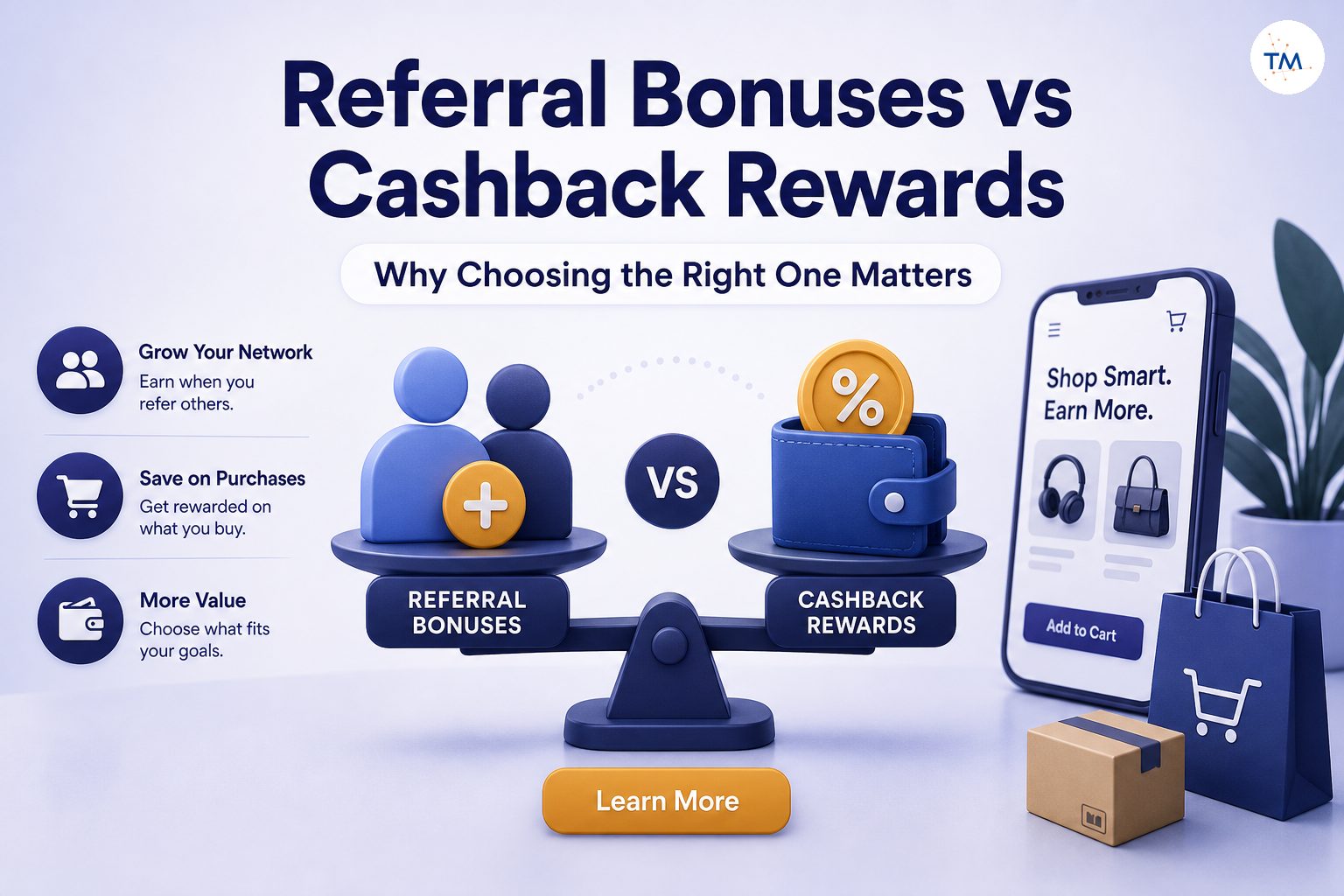
Referral bonuses and cashback rewards are two popular incentivization strategies employed by businesses to attract and retain customers. Understanding these mechanisms can help consumers make informed decisions and enable businesses to implement the most effective customer acquisition strategies. Referral bonuses are typically rewards given to existing customers who bring new customers to a business. These bonuses can take various forms, such as discounts, free products, or monetary compensation. On the other hand, cashback rewards provide a percentage of a customer's purchase amount back to them as cash, gift cards, or credits toward future purchases. Both strategies aim to boost customer loyalty and sales, but their effectiveness can vary based on consumer behavior and business goals.
Cashback rewards appeal to consumers' desire for immediate gratification. They offer a tangible benefit every time a purchase is made, motivating customers to increase their spending to accumulate more rewards. This strategy is particularly effective in promoting repeat purchases and maintaining long-term customer relationships. Conversely, referral bonuses leverage the power of word-of-mouth marketing. Existing customers who have had positive experiences with a brand are incentivized to share their recommendations with others. This not only helps acquire new customers but also ensures that these newcomers come with an inherent trust in the brand, provided by the mutual connection with the referrer.
Choosing between referral bonuses and cashback rewards requires an understanding of the target audience, market trends, and the overarching business objectives. For instance, businesses looking to expand their customer base might benefit more from referral bonuses, while those aiming to increase purchase frequency could leverage cashback rewards. Ultimately, the decision should align with the customer journey and business strategy to maximize the return on investment.
The Benefits of Referral Bonuses
Referral bonuses can be a powerful tool for both businesses and consumers alike. For businesses, they offer a cost-effective method to acquire new customers. Instead of spending heavily on traditional advertising channels, companies can incentivize their existing customers to bring in new ones by offering them a monetary bonus. This not only reduces acquisition costs but also tends to attract higher quality leads. When a referral is made, it often comes from a satisfied customer who is familiar with the product or service, thereby increasing the likelihood that the new customer will also have a positive experience. This word-of-mouth marketing can enhance brand loyalty and foster a stronger relationship between the company and its customer base.
For consumers, referral bonuses present an opportunity to earn rewards simply by sharing their positive experiences with friends and family. It's a win-win situation: as they encourage others to try out a product or service they enjoy, they receive a tangible benefit in return. This can be particularly appealing in communities where recommendations and shared experiences carry significant weight. Moreover, participating in referral programs can enhance a sense of community and belonging, as consumers feel they are contributing to the growth and success of a brand they support and believe in.
Additionally, referral bonuses can lead to more organic growth and a stronger reputation. Customers who actively partake in these programs often feel more engaged and invested in a company's success, fostering a community of enthusiastic brand advocates. This network of advocates can significantly amplify a company's reach without the need for aggressive marketing campaigns. Furthermore, businesses can leverage data from these programs to identify highly influential customers and further personalize their marketing strategies, leading to even higher engagement and conversion rates.
Cashback Rewards: A Smart Choice?
Cashback rewards have become an increasingly popular incentive offered by credit card companies and retailers as a way to encourage consumer spending. These programs return a percentage of the money spent directly back to the consumer. Unlike other reward systems that might offer points redeemable for travel or gift cards, cashback provides a straight-forward benefit, turning each transaction into future savings. This can be particularly advantageous for individuals who prefer tangible financial returns rather than benefits tied to specific products or services. With cashback, the user has the flexibility to either save the amount accrued or apply it to future purchases, making it a versatile financial tool.
One of the primary advantages of cashback rewards is their simplicity and transparency. Consumers can easily calculate the benefits they earn based on their spending habits, without needing to decipher complicated conversion ratios or reward structures. Moreover, many cashback programs offer higher reward rates in specific categories such as groceries, gas, or dining out, aligning with everyday expenses. This specificity allows consumers to maximize their benefits based on personal spending habits, providing an opportunity to optimize financial returns. Furthermore, cashback rewards often have no expiration date, accumulating over time and allowing users to decide the most strategic moment to use them.
Conclusion: Making the Right Choice for You
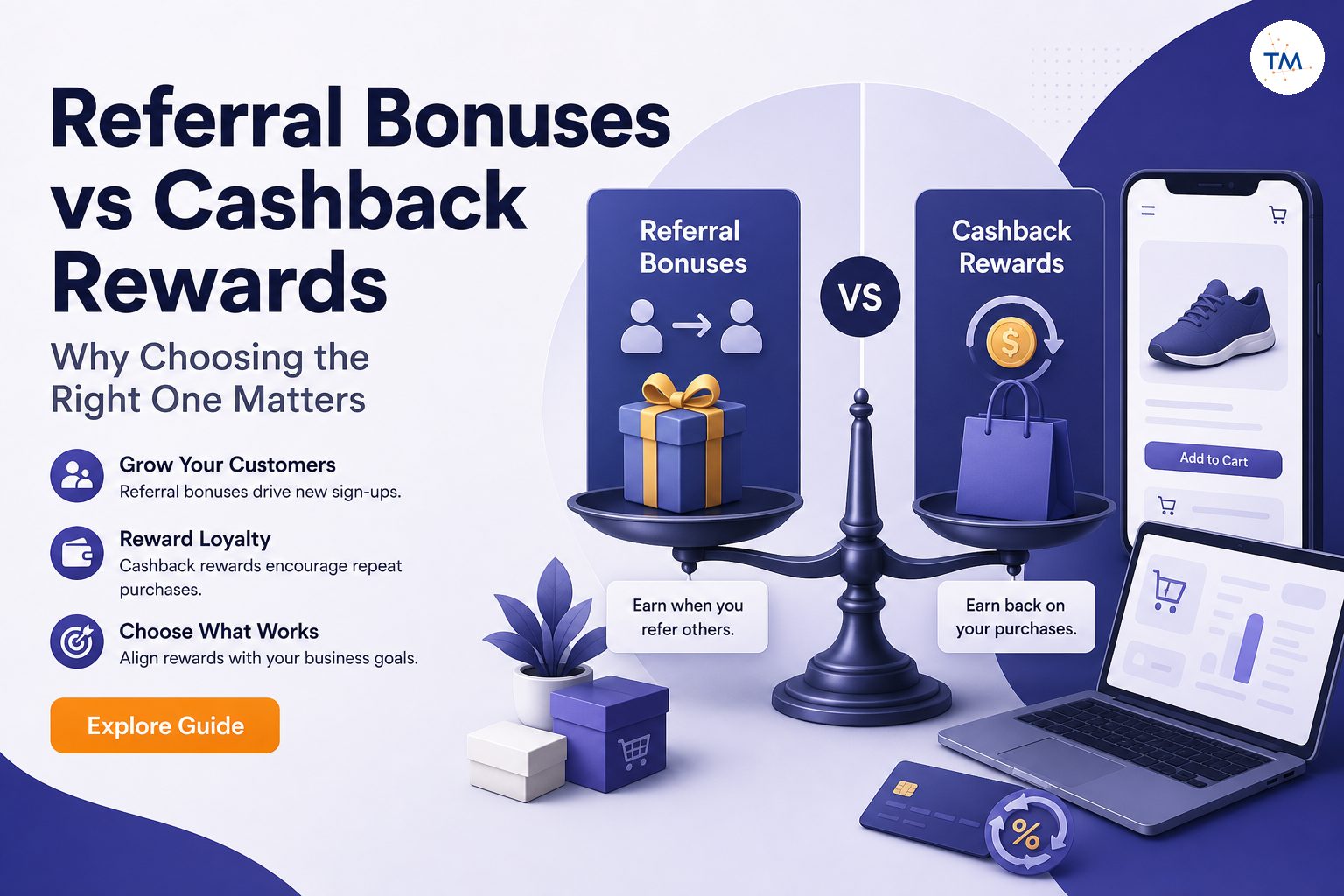
Choosing between referral bonuses and cashback rewards ultimately depends on your personal financial goals and spending habits. Referral bonuses can be highly lucrative if you have a vast network or are capable of influencing potential new customers to try a service. These bonuses sometimes offer a higher immediate value compared to cashback rewards, which typically accumulate over time. However, referral bonuses might come with specific conditions such as a minimum spend or certain usage requirements, which could limit their practicality for some users. On the other hand, cashback rewards offer a straightforward way to save money on everyday purchases, allowing you to earn a percentage of your spending back with minimal effort.
It's essential to weigh the pros and cons of each option based on your lifestyle and spending patterns. If you frequently find opportunities to recommend services to friends and family, and they are likely to follow through on these recommendations, referral bonuses might be the more rewarding option. Conversely, if you prefer a consistent and predictable savings mechanism that applies to your regular shopping, cashback rewards are likely to be a better fit. To make the most out of these financial incentives, consider combining both strategies where possible, leveraging referrals for big wins and cashback for ongoing savings.
Ultimately, both referral bonuses and cashback rewards can significantly enhance your financial well-being when used effectively. Carefully assess your spending habits and financial goals to determine which option aligns best with your circumstances. Remember to also check any terms and conditions associated with referral or cashback offers, as these can influence your final decision.
Quick decision rule
Budget-Friendly Alternatives: Referral Bonuses vs Cashback
When it comes to choosing between referral bonuses and cashback rewards as a budget-friendly alternative, it's essential to consider the unique financial benefits each offers. Referral bonuses are incentives provided by companies to encourage existing customers to bring in new clients. This usually comes in the form of a monetary reward or service discount upon successful referrals. The primary advantage is that it costs the customer nothing upfront—just a little effort in sharing a good experience with friends or family. For those who are socially active or engaged with a company's products or services, referral bonuses not only offer a lucrative avenue to earn money but also help in nurturing a loyal community around a brand.
On the other hand, cashback rewards provide instant gratification and direct savings on purchases. Unlike referral programs, cashback offers an immediate return on spending, often via a percentage of the purchase being returned to the consumer. This can be especially appealing for budget-conscious individuals who want to save on everyday purchases without needing to engage others in the process. Cashback is typically straightforward, requiring minimal effort: use your credit card or loyalty program, and watch your savings accumulate. For those who prefer direct savings as opposed to passive earnings through referrals, cashback rewards can be a more predictable and accessible budget-friendly choice.
Ultimately, the choice between referral bonuses and cashback rewards hinges on personal spending habits and preferences. If you're someone who frequently interacts within your community or network and finds value in sharing great experiences, referral bonuses can serve as a rewarding, budget-friendly option. Conversely, if you prefer tangible savings with every transaction without depending on others, cashback rewards may align more closely with your financial goals. By comparing both options, individuals can make informed decisions that maximize their savings and suit their economic needs.
Make smarter reward decisions
Create a free Testmarket account for more marketplace insights that help you compare value before you shop.
Why Choosing the Right Incentive Matters
Selecting the right incentive, be it referral bonuses or cashback rewards, plays a crucial role in influencing customer behavior and driving engagement. Referral bonuses often work well for businesses aiming to expand their customer base through word-of-mouth marketing. They capitalize on existing satisfied customers who are eager to share their positive experiences with friends and family in exchange for a tangible reward. This harnesses the power of social proof and can significantly lower customer acquisition costs. On the other hand, cashback rewards generally appeal to cost-conscious consumers who appreciate immediate financial benefits. These rewards cater to customers who are motivated by savings and the opportunity to receive a portion of their spending back, thereby potentially increasing their spending frequency and loyalty.
Choosing the right incentive also impacts long-term customer retention and brand loyalty. Referral bonuses can create a community of brand advocates who are not only committed to spreading the word about the business but are also more likely to remain loyal themselves. This generates a network effect, where the customer base grows organically. Conversely, cashback rewards can continuously engage customers by rewarding them for ongoing purchases. This can lead to increased brand loyalty as customers are enticed to return and make purchases to earn more cash rewards. Therefore, understanding your customer base and their motivations is key to selecting the right incentive, ultimately leading to sustained business growth and customer satisfaction.
What Are Referral Bonuses and Cashback Rewards?
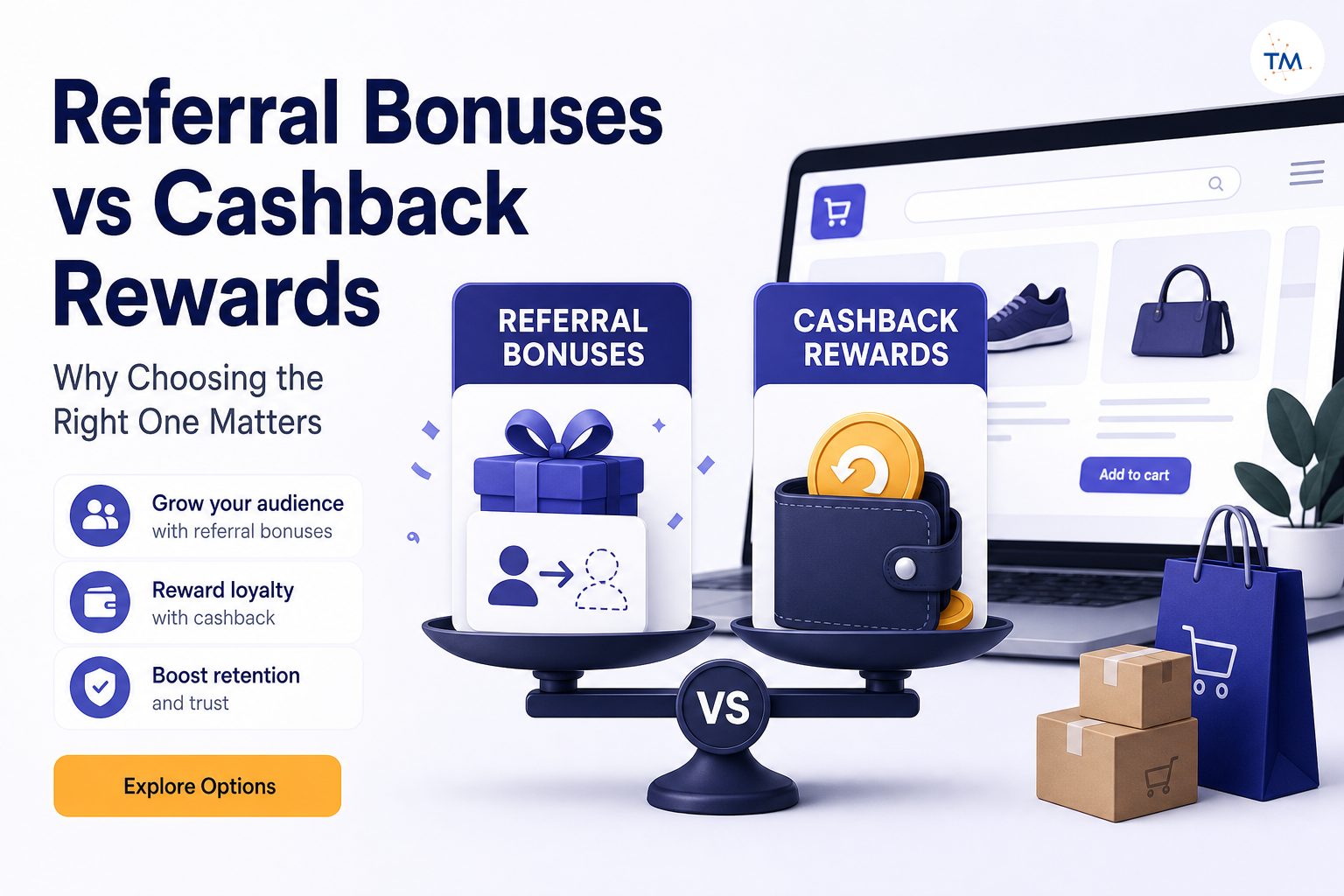
Referral bonuses and cashback rewards are two popular incentive programs that businesses use to attract and retain customers. A referral bonus is typically offered to existing customers who successfully encourage a new customer to purchase a company's products or services. This type of bonus can come in various forms, such as discounts, free products, or even cash payments. The key goal is to leverage the power of word-of-mouth marketing by tapping into the existing customer's network to expand the customer base at a relatively low cost.
Cashback rewards, on the other hand, provide customers with a direct financial incentive based on their spending. When consumers make a purchase, a percentage of the purchase amount is returned to them as a cash reward. This type of incentive not only encourages repeat purchases but also instills a sense of value and satisfaction with the brand, as customers feel they are getting more for their money. Cashback programs are often seen in the credit card industry, where cardholders earn a certain percentage of cash back on their spending, but they can also be found in retail and online shopping platforms.
Both referral bonuses and cashback rewards aim to enhance customer loyalty and drive sales, but they do so in different ways. Referral bonuses focus on expanding the customer network through existing satisfied customers, while cashback rewards appeal to the purchasing behavior of individual consumers by offering immediate financial benefits. Each has its advantages and fits different marketing strategies, making it essential for businesses to choose the right program that aligns with their overall objectives and target audience preferences.
How to Maximize Your Referral Bonuses
When aiming to maximize your referral bonuses, the first step is understanding the program's structure and rules. Ensure you are fully aware of how the program operates, which actions trigger bonuses, and any limits or caps on rewards. Some programs might offer larger bonuses for referring a higher number of people or may have seasonal or promotional offers that provide additional benefits. Subscribing to program updates or newsletters can be useful to keep track of such opportunities. Additionally, many programs require the referred individual to meet certain criteria, such as making a purchase or signing up for a service, before you receive your reward. Stay informed and compliant with these details to optimize your gains.
Next, leverage your network effectively. Identifying and targeting the right audience is crucial to increasing your referral success rate. Share your unique referral links through various channels where your audience is most engaged, such as social media platforms, email newsletters, or personal blogs. Be authentic in your endorsement and share personal success stories or benefits you have experienced. Tailor your message to resonate with your audience's specific needs and preferences, and remind them periodically to take action without coming across as overly aggressive. Additionally, consider joining online communities related to the products or services, where you can provide insights and naturally introduce your referral link.
Lastly, explore partnerships and collaborations to widen your referral reach. Connecting with influencers or complementary businesses can dramatically extend your audience and increase referral opportunities. Offering them incentives or a portion of your referral bonus can motivate them to promote your link to their followers as well. Keep track of your referral activities using spreadsheets or referral tracking tools that some programs provide, to analyze which strategies work best. Engaging consistently and being strategic about your promotions will ultimately enhance your ability to maximize referral bonuses.
Which Option Delivers Better Value?
When comparing referral bonuses and cashback rewards, understanding the value each option delivers is crucial for making an informed decision. Referral bonuses often provide significant upfront value, typically rewarding users with a fixed amount or a percentage of a purchase when they successfully refer new customers. This means that if you're someone who regularly networks or has a broad social circle, referral bonuses can quickly accumulate, offering potentially higher returns in a shorter span. However, the catch often lies in the conditions — such bonuses might only be redeemable after certain thresholds are met or could be limited to specific products or services.
On the other hand, cashback rewards offer consistent value over time, appealing to those who prefer steady benefits with their regular spending. Cashback programs generally allow users to earn back a percentage of what they spend on eligible purchases. This can be particularly advantageous for big spenders or those who like to see continuous, albeit smaller, returns with each transaction, effectively creating a discount on purchases. Moreover, cashback is straightforward; the rewards are usually easier to redeem either as a statement credit or direct deposit.
Ultimately, the choice between referral bonuses and cashback rewards should align with your spending habits and lifestyle. If you're likely to use the same service repeatedly or make considerable purchases, cashback might provide ongoing value. In contrast, if you can influence others to join or purchase, and enjoy upfront benefits, referral bonuses might be more lucrative. Both schemes have their advantages, so evaluating your spending and social habits can help determine which offers the best value for your specific needs.
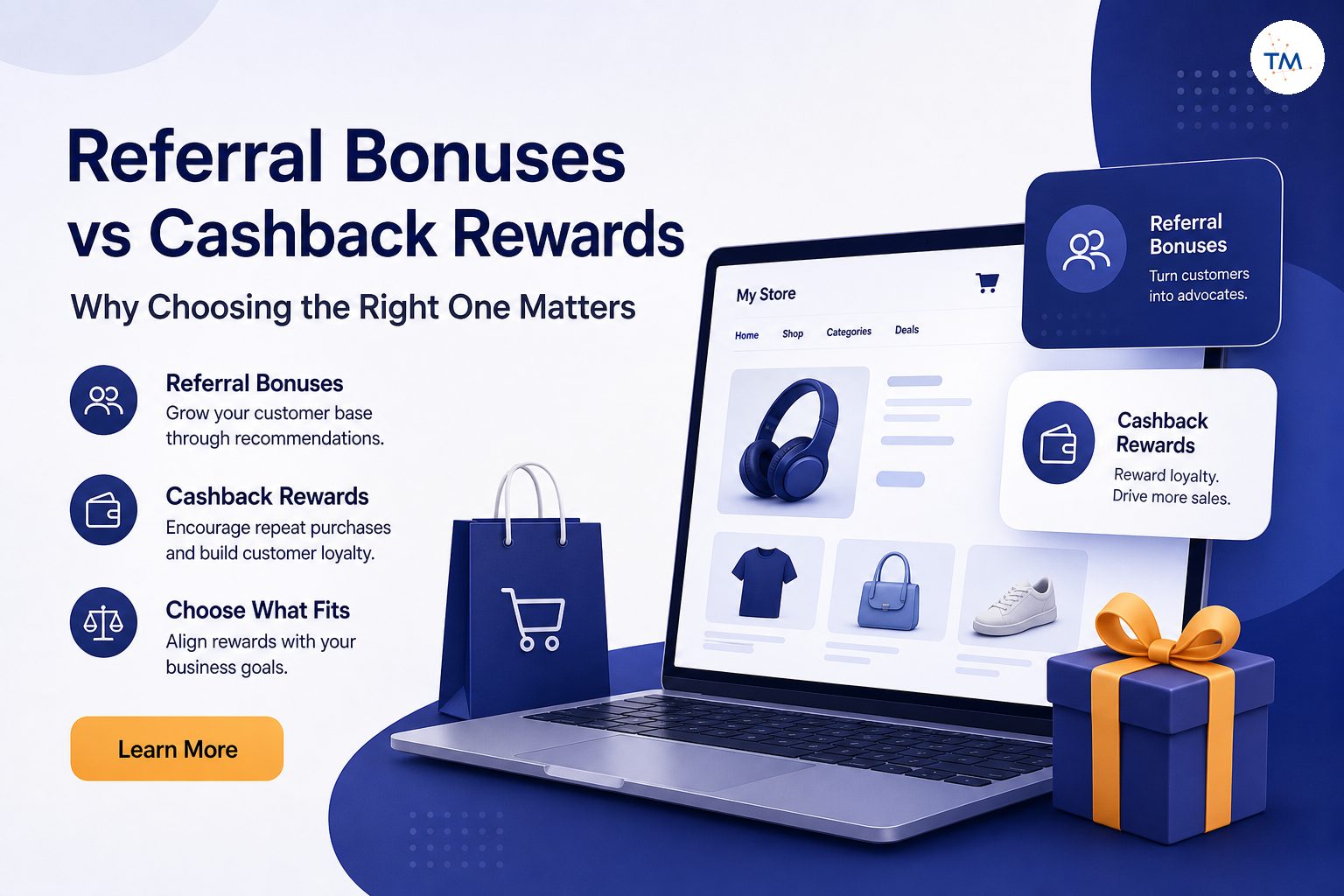
When to Opt for Cashback Rewards
Cashback rewards are a popular incentive program offered by credit card companies and retailers, designed to attract and retain customers by providing a percentage of purchases back to the consumer in the form of cash. Opting for cashback rewards is ideal in several scenarios. First, if you're someone who values simplicity and direct financial benefits, cashback rewards offer a straightforward monetary return on your spending without the need for additional steps or processing. This option is perfect for individuals who prefer immediate gratification from their expenses, as cashback is generally directly credited to your account or available for statement credits, making it an effective way to reduce your overall costs.
Another scenario where cashback rewards shine is for consumers with diverse purchasing habits across various categories. Many cashback programs offer tiered rewards, providing higher percentages for particular spending categories such as groceries, gas, or dining. This can maximize your savings without changing your spending habits. Additionally, if you frequently make high-value purchases or have a significant amount of monthly expenses, the cumulative cashback can add up quickly, providing a significant return on spending over time. Furthermore, cashback programs often come with fewer restrictions and greater flexibility compared to other rewards, making them a practical choice if you want to avoid the hassle of managing complex reward systems or points expiration.
Lastly, cashback rewards can be particularly advantageous if you are looking to save or invest. Since cashback is essentially a refund on your purchases, it can easily be set aside into savings or investment accounts. This approach can contribute to achieving financial goals without altering your budget drastically. Cashback rewards provide simple, direct benefits, making them a solid choice if you're aiming for straightforward savings mechanisms that bolster financial well-being without added complexities.
Where Can You Find the Best Deals?
When searching for the best deals between referral bonuses and cashback rewards, it's important to start with some savvy strategies. Begin by exploring financial service providers such as banks and credit card companies. Many of these institutions regularly update their promotional offers to attract new customers or retain existing ones. Sign up for newsletters from these companies to stay informed about the latest referral bonuses or cashback rewards. Additionally, online platforms and financial blogs often compile and rank the most lucrative deals, allowing you to compare the current offers effectively. By leveraging these resources, you can ensure that you are making informed decisions and capitalizing on the most rewarding programs available.
Another excellent way to find the best deals is through dedicated cashback and referral websites. Platforms like Rakuten, Swagbucks, and Honey specialize in providing users with access to exclusive cashback offers and referral bonuses from a wide array of retailers and service providers. These platforms not only highlight ongoing promotions but often include peer reviews and user experiences, which can further guide you in selecting the most favorable option. Additionally, many of these sites offer plugins for seamless integration with your browser, alerting you to the available deals as you shop online, ensuring you never miss an opportunity to save.
How Much Can You Earn with Referral Bonuses?
Referral bonuses are an enticing incentive offered by many companies to encourage their customers to promote products or services to others. The potential earnings from referral bonuses can vary greatly depending on the company's industry, the type of product or service, and the terms of their referral program. Typically, companies in financially lucrative sectors such as tech, finance, or real estate offer more substantial rewards. For example, tech companies like Amazon Web Services or financial institutions such as banks may provide referral bonuses ranging from $10 to several hundred dollars per referral, especially if the referred person becomes a paying customer or meets specific conditions such as account activation.
Moreover, the structure of the referral bonus can also impact how much you can earn. Some companies offer a flat fee per successful referral, while others use a tiered system where the bonus increases with more referrals. For instance, a company might offer $25 for the first referral, $50 for the second, and so on, encouraging participants to bring in more leads consistently. Additionally, there are scenarios where companies provide bonus multipliers during special promotions, significantly increasing the earning potential during those periods. Therefore, understanding the specific terms of each referral program is crucial to maximize your earnings efficiently.
How Many Cashback Opportunities Should You Leverage?
When determining how many cashback opportunities to leverage, it's essential to strike a balance that aligns with your spending habits and financial goals. Consumers have countless options, from credit card rewards and retail cashback programs to online shopping portals offering money back on purchases. To maximize benefits, start by evaluating your regular spending categories such as groceries, dining, travel, and entertainment. Choose cashback programs that offer the greatest percentage back on these categories, ensuring that every dollar spent is working harder for you. Additionally, consider seasonal or rotating bonus categories that some credit cards offer, which can provide enhanced cashback during certain periods.
Moreover, while it might be tempting to sign up for multiple cashback offers, managing them effectively can become cumbersome. Keep track of expiration dates for cashback rewards, special promotions, and any associated fees or spending thresholds. It's also wise to monitor your spending closely to avoid unnecessary debt. Digital tools and apps can help manage various cashback programs in one place, allowing you to effortlessly track your earnings and deadlines. Ultimately, leveraging a few carefully selected cashback opportunities instead of an overwhelming number can lead to greater satisfaction and financial rewards over time.
Don’t over-stack cashback programs
The Best Referral Programs to Join Today
In today's competitive market, referral programs have emerged as a powerful strategy for businesses to leverage their existing customer base to attract new clientele. When done right, these programs not only enhance customer loyalty but also drive organic growth through word-of-mouth marketing. If you're looking to maximize your earnings through referral programs, it's essential to identify and join those that offer the best incentives. Companies like Airbnb, Dropbox, and Uber have set the gold standard in referral programs. Airbnb, for instance, provides travel credit rewards to both referrer and referee, creating a win-win situation. Dropbox, on the other hand, boosts storage capacity when you successfully refer friends, enhancing the product's utility for everyone involved.
Financial services and fintech companies also offer lucrative referral programs. PayPal and Robinhood, for example, incentivize users with cashback bonuses and free stocks, respectively, when they refer new users. These programs not only reward the referrer with tangible financial benefits but are also easy to understand, encouraging more people to participate. Furthermore, fintech apps frequently update their referral systems to include bigger rewards or special promotions, keeping engagement high.
Online retail giants like Amazon and Stitch Fix offer referral programs that reflect a modern e-commerce twist on classic word-of-mouth marketing. Amazon's affiliate program, while slightly different, allows you to earn commission on the sales generated through your referral links, making it an attractive option for bloggers and social media influencers. Stitch Fix, a subscription-based personal styling service, provides credits that can be used on future purchases. By choosing to participate in these high-value referral programs, individuals can optimize their earning potential while contributing to the growth of companies they already trust and use.
FAQ: Frequently Asked Questions
When deciding between referral bonuses and cashback rewards, consumers often have several questions. Understanding the nuances can help them make informed decisions about which program suits their financial goals best. One common question is, "What are referral bonuses?" Referral bonuses are incentives offered by companies to existing customers who refer new clients. These bonuses can take many forms, including cash, discounts, or credits that can be used for future purchases.
On the other hand, "What are cashback rewards?" Cashback rewards are a form of rebate that returns a percentage of the amount spent back to the consumer, often as a credit on their statement or as a direct deposit into their account. Typically linked to credit card use, cashback rewards can vary based on the categories of spending and the specific card's reward structure. Many consumers wonder, "Which is better for me?" The answer depends on individual spending habits and preferences. Referral bonuses might provide a one-time boost, but cashback rewards can offer ongoing savings, making them more suitable for frequent buyers.
Another frequently asked question is, "Are these rewards taxable?" Generally, cashback rewards are not considered taxable income since they are treated as a rebate or discount on spending. However, referral bonuses might be taxable if they are issued as cash or equivalent value. Consumers should check the specific terms of the reward program and consult tax regulations or a tax professional for personalized advice. Understanding these differences is crucial for optimizing the benefits that these programs offer and selecting the one that aligns best with personal financial strategies.
What is the main difference between referral bonuses and cashback?
Referral bonuses and cashback rewards are both enticing incentives used by companies to attract and retain customers, but they operate differently and serve distinct purposes. Referral bonuses are typically awarded when an existing customer refers a new customer to a business. The referrer usually receives a bonus, which can be monetary or otherwise, only after the new customer makes a purchase or signs up for a service. This type of incentive is designed to leverage the power of word-of-mouth marketing, rewarding existing customers for recruiting new ones. On the other hand, cashback rewards are financial incentives given to customers based on their spending. These rewards provide a percentage of the expenditure back to the customer, either as a direct payment or as store credit, encouraging repeat purchases and fostering loyalty.
The main distinction between these two lies in their strategic objectives and the mechanics of their operation. Referral bonuses rely on customer advocacy and aim to expand the user base through personal networks, effectively turning customers into brand ambassadors. This approach is particularly powerful in sectors where trust and personal recommendations play a crucial role, such as technology or lifestyle products. Conversely, cashback rewards focus on the individual's spending habits, promoting increased purchase frequency and larger transaction sizes by offering a tangible financial return. This makes cashback an appealing strategy for businesses in competitive markets, like retail or travel, where consumers might be swayed by immediate financial savings.
When deciding between referral bonuses and cashback rewards, companies need to consider their business goals and target audience. If the objective is rapid customer base expansion, referral programs may prove more effective. These programs harness the social proof provided by trusted recommendations. However, if the goal is to enhance customer retention and increase average transaction values, cashback rewards can be more advantageous. These rewards provide a clear, immediate benefit, aligning with customers motivated by savings and discounts. Understanding these fundamental differences is crucial for businesses aiming to implement a rewards program that aligns with their strategic objectives and meets the needs of their customer demographic.
Can I combine referral bonuses with cashback rewards?
When considering the combination of referral bonuses with cashback rewards, it's crucial to first understand how each program operates individually. Referral bonuses are typically offered by companies as a way to incentivize customers to bring in new clients. Customers receive a bonus, often in the form of store credit, discounts, or cash, when someone they refer makes a purchase. Meanwhile, cashback rewards are a form of rebate where a percentage of the amount spent is returned to the customer. They are usually linked to credit card programs or specific retailer promotions.
Combining these two can provide substantial benefits to savvy consumers, but it depends largely on the terms and conditions laid out by each company. Some companies allow these offers to stack, enabling customers to maximize their savings. For example, if a retailer is offering a referral bonus and also participates in a cashback program via a linked credit card, it could be possible to earn both. However, it's essential to read the fine print because some companies may restrict the use of one offer when another is already applied to the purchase. Therefore, staying informed and aware of each program's rules is key to successfully combining these rewards.
Lastly, technology can be a helpful ally in maximizing these rewards. Many apps and browser extensions are designed to assist consumers in finding the best deals, track rewards, and even alert them when they can stack offers for additional savings. Websites like NerdWallet or The Points Guy provide comprehensive guides and tools for maximizing both referral bonuses and cashback rewards. Balancing both rewards requires not only an understanding of the terms but also staying organized—an app or digital solution can significantly enhance the user's ability to manage and maximize these reward opportunities efficiently.
Always check whether rewards stack
How do I qualify for a referral bonus?
Qualifying for a referral bonus typically involves a few key steps that ensure both the referrer and the referred individual are eligible to receive the reward. Firstly, you need to be an existing customer or member of the service or product being promoted. This is because referral programs are often designed to incentivize current users to spread the word among their networks. Once you are part of the program, you'll usually need to refer a new customer using a unique referral link or code provided by the company. This ensures that the company can track the referral back to you and credit the bonus accordingly.
Furthermore, the person you refer will often need to meet certain criteria before the bonus is awarded. This might include signing up for the service, making a purchase, or reaching a specific milestone such as using the service for a certain period. It's crucial to familiarize yourself with the program's terms and conditions, as these will outline any specific requirements and restrictions that apply. Some programs might also limit the number of referrals for which you can earn a bonus, so keeping track of your referrals and their status can be beneficial. By understanding and adhering to these guidelines, you can maximize the benefits of the referral program and enjoy the rewards offered.
Which industries offer the most lucrative referral bonuses?
When it comes to lucrative referral bonuses, several industries stand out due to their competitive nature and high customer acquisition costs. The technology sector, particularly software and app-based companies, frequently offers substantial referral bonuses. Companies like Uber, Airbnb, and various fintech apps often provide significant incentives to encourage their users to bring in new customers. These bonuses reflect the value these companies place on rapidly expanding their user base and achieving market dominance.
Another industry known for generous referral bonuses is financial services, including banks, credit cards, and investment platforms. These institutions often offer bonuses that can range from cash rewards to increased interest rates or waived fees. Financial firms are eager to grow their clientele, and referrals from satisfied customers provide a credible and cost-effective means to achieve this. Similarly, the telecommunications industry also offers handsome referral bonuses, as companies strive to expand their subscriber base in a highly competitive market. The bonuses in this sector might include discounts on monthly bills, free services, or even gift cards.
Real estate is another industry where referral bonuses can be quite lucrative. Real estate agents and companies often incentivize clients to refer new buyers or sellers, offering cash or percentage-based rewards from closing deals. Given the high value of sales and the substantial commissions involved, these bonuses can be quite rewarding for the referrer. As these industries demonstrate, lucrative referral bonuses are most prevalent in sectors where customer lifetime value is high, justifying the upfront investment in acquiring new clients.
Are cashback rewards taxed?
When it comes to cashback rewards, one common question that arises is whether these rewards are subject to taxation. Generally, cashback rewards are considered a rebate or a discount on the purchase price, rather than additional income, and therefore, they are typically not taxable. This is because cashback from spending is tied directly to consumer purchases, effectively lowering the cost of the items purchased rather than providing income that could be taxed. However, it is important to keep in mind that this is the general guideline, and variations in tax treatment may occur depending on individual circumstances or specific promotional offers.
For example, if cashback rewards are received without any associated purchase, such as through promotional offers for opening a new credit account, the situation might be different. In these cases, the IRS may consider such cashbacks as income, making them potentially taxable. Additionally, if an individual receives a significant amount of cashback that could be viewed as income, particularly if used in a business context, it might require assessment or reporting during tax filings. It's advisable to consult a tax professional to understand the specific tax implications based on one's personal financial situation and jurisdiction.
Ultimately, while cashback rewards from regular purchases are generally non-taxable as they function as discounts rather than income, there are exceptions based on the nature and context of how the cashback is received. As tax laws can be complex and subject to change, staying informed and consulting with a tax advisor is recommended to ensure compliance with current regulations.
How do I track my cashback earnings?
Tracking your cashback earnings can be a straightforward process once you set up an efficient system. Most cashback programs, whether they are offered through credit cards, shopping platforms, or standalone apps, provide a personal dashboard where users can monitor their accumulated rewards. Typically, logging into your account on the provider's website or app will display a detailed breakdown of your transactions and corresponding cashback amounts. This transparency allows you to verify each transaction's eligibility and ensures that you are credited appropriately. To ensure accuracy, it's a good habit to regularly check this dashboard and compare it with your transaction history from banking or shopping statements.
Many cashback programs offer the convenience of push notifications or email alerts whenever you earn a cashback reward, keeping you updated in real-time. Some platforms even allow you to export your transaction history into spreadsheets, making it easier for you to analyze and manage your earnings over time. For those who prefer manual tracking, maintaining a detailed spreadsheet of each purchase along with the expected cashback can be beneficial. This way, you can easily cross-reference your actual cashback earnings with your own records and promptly address any discrepancies with customer support.
In addition to your own tracking efforts, utilizing apps and third-party tools can enhance your ability to monitor cashback. There are several financial management apps available that integrate with your bank accounts and automatically categorize and track your cashback transactions. These apps can help simplify tracking by providing insights and trends based on your spending and earnings. As cashback programs can vary significantly in their terms and payout schedules, familiarizing yourself with the specific details of each program you use is crucial to effectively track and maximize your cashback earnings.
Can referral bonuses expire, and how can I ensure I don't lose them?
Referral bonuses can indeed expire, and this is a key consideration when deciding whether to participate in such programs. The expiration period often varies by company, and it's typically outlined in the terms and conditions. Some companies might set a time limit from the date the referral is made, while others may stipulate that the bonus is only valid for a certain period after the referred person takes a specific action, such as making a purchase or completing a sign-up. To avoid losing out, it's crucial to familiarize yourself with these terms at the outset. Ensure that you take necessary actions promptly, whether it's redeeming the bonus or meeting certain conditions set by the program.
To prevent losing referral bonuses, it's advisable to keep track of all referral activities. Many companies provide dashboards or user accounts where you can monitor the status of your referrals, including pending and earned bonuses. Regularly logging into these accounts can help you stay updated on your bonus statuses. Setting reminders is a practical step to ensure you meet any impending deadlines. Additionally, communicate with the person you referred to make sure they complete any required actions on time. Maintaining records of your referrals and communications can be invaluable if any disputes arise regarding the status of your bonus.
Quick questions before choosing a reward type
Cashback is usually easier for casual shoppers because it applies to regular purchases and does not require convincing anyone else to sign up or buy.
Referral bonuses are worth considering when you already use and trust a product, have an engaged network, and understand the exact requirements for earning the bonus.
Yes. Referral bonuses can expire, and cashback programs may have payout schedules, thresholds or deadlines. Use dashboards, alerts, reminders or spreadsheets to stay organized.
No. Cashback is most useful when it reduces the cost of planned purchases. Spending extra just to earn a small reward can work against your financial goals.
与 Testmarket 一起更聪明地购物
免费加入,享受专属优惠、返现和可信赖的产品评价。
