 English
 Türkçe
 Deutsch
 中文
中文


 Facebook
 Twitter
 Linkedin
 Reddit
 Pinterest
Published 15 March, 2024
 Blogs
Amazon Selling Strategies
The Beginner's Guide to Mastering Amazon Sales Tactics: Boost Your Profits Now!
Blogs
Amazon Selling Strategies
The Beginner's Guide to Mastering Amazon Sales Tactics: Boost Your Profits Now!
crucial aspect of Amazon selling success, is recognizing that the platform is more than just a marketplace; it's a fierce battleground for visibility and conversion. To conquer this arena, you need to arm yourself with knowledge - from optimizing your product listings with keywords that have high search volumes yet low competition to utilizing Amazon's own advertising tools to push your products in front of potential buyers. But there's a subtle art to it: too aggressive, and you'll eat into your margins; too passive, and you'll fade into obscurity. Our comprehensive beginner's guide promises to teach you this delicate balance, turning your Amazon venture from a mere participation into a profiting power play.
Furthermore, this guide will take you through the nuanced world of Amazon's customer-centric ecosystem. We'll share insights on how to garner stellar reviews, strategize your pricing, and craft bulletproof policies that foster trust and loyalty among your customer base. Every chapter of this guide is designed to be a stepping stone towards your ultimate goal – mastering Amazon's sales tactics to maximize your profits while building a sustainable, flourishing online business. As we pull back the curtain on these selling secrets, prepare to transform this knowledge into actionable steps that will catapult your Amazon journey.

In today's digital marketplace, mastering Amazon sales tactics is not just an advantage—it's a necessity. With Amazon reigning as the titan of e-commerce, it is the platform where millions of customers begin their shopping journey. The visibility and accessibility that Amazon affords can catapult a business's products into the limelight, leading to immense growth. However, this only happens when the right sales strategies are in place. Understanding Amazon's unique algorithm, leveraging Amazon Advertising, and optimizing product listings are vital components of ensuring your products stand out in an ocean of competitors. By honing these tactics, you can increase product discoverability, improve conversion rates, and ultimately, amplify your bottom line.
The stakes are high when it comes to competing on Amazon. Businesses that ignore the platform's best practices may find their products buried behind pages of search results, never reaching their target audience. Conversely, by mastering key sales tactics such as strategic pricing, engaging in active review management, and using Fulfillment by Amazon (FBA) to enhance customer service, sellers can significantly enhance their presence and credibility on the platform. These efforts lead to earning the coveted Amazon's Choice badge or Best Seller ranking, each of which can lead to a substantial uptick in sales.
Moreover, Amazon's vast array of analytical tools gives savvy sellers a wealth of insights into customer behavior and market trends, guiding them to make data-driven decisions. Utilizing Amazon's powerful metrics can help refine your marketing campaigns, adjust pricing strategies, and tailor your inventory to what your customers want most. In essence, mastering Amazon's sales tactics means aligning your business with the pulse of the consumer market, ensuring you are always one step ahead. The result is a robust, dynamic sales ecosystem where every detail is calibrated for success—turning passive browsers into loyal customers, and infrequent buyers into regular clients.
Amazon has become the epitome of marketplace success, and for good reason. This e-commerce giant boasts over 300 million active customer accounts, with more than 197 million people around the world visiting Amazon.com each month. Such staggering numbers illustrate the vast audience that sellers can reach by listing their products on this platform. Amazon's reputation for trustworthiness and convenience means that sellers benefit from the brand's positive perception, enhancing consumer confidence and increasing the likelihood of sales. Furthermore, with Amazon's fulfillment services, like Fulfillment by Amazon (FBA), sellers can leverage the company's world-class logistics and customer service, allowing them to focus more on their business and less on the complexities of shipping and fulfillment.
Another aspect that makes Amazon a gold mine for sellers is the data-driven environment it provides. With access to an abundance of analytics and metrics, sellers can track their performance, optimize their listings, and understand customer behaviors. This data empowers sellers to make informed strategic decisions to refine their marketing tactics, adjust pricing, and enhance their product offerings. Amazon's sophisticated search engine and recommendation system also work in favor of sellers by increasing visibility for their products to potential customers who are most likely to be interested in them.
Lastly, Amazon's global reach gives sellers the unprecedented opportunity to expand internationally with less friction. Through Amazon Global Selling, businesses can easily list their products in over a dozen marketplaces around the world. This not only amplifies their customer base but also diversifies their revenue streams. The platform's various advertising tools, like Sponsored Products and Amazon Stores, provide additional visibility and branding options, which are invaluable for sellers looking to distinguish themselves in a competitive landscape. Amazon's comprehensive ecosystem is crafted to support sellers at every step of their journey, making it the ultimate marketplace for launching and growing a profitable e-commerce business.
Starting your Amazon journey can be an exhilarating, yet overwhelming experience. To set yourself up for success, it's crucial to understand the platform's basics and begin with a solid strategy. The first step is to choose the right product to sell. Conduct thorough market research to ascertain consumer demands and identify gaps that your product could fill. Utilize tools like Amazon's Best Sellers, Jungle Scout, or Helium 10 to gain insights into what products are performing well. Moreover, it's important to analyze the competition to ensure that your product can stand out in a crowded marketplace. When you've landed on a promising product idea, source it from a reputable supplier and focus on quality to establish a good reputation from the onset.
Creating a compelling product listing is the next essential step in boosting your Amazon presence. Your product title should be descriptive and integrate relevant keywords without appearing spammy. High-quality images and a detailed product description that highlights the unique selling points are also pivotal. Remember, your listing is your storefront; it should communicate the value of your product and entice customers to make a purchase. Additionally, consider optimizing your backend search terms with relevant keywords to improve search visibility.
Lastly, set up your Amazon Seller Account properly, choosing between an Individual or a Professional account based on your anticipated sales volume and the nature of your business. Make certain that you are well-versed with Amazon's policies and fee structures to avoid any unexpected challenges. Initial reviews and ratings can make or break your product, so consider Amazon's Early Reviewer Program or use legitimate ways to garner honest customer feedback. With these foundational steps in place, you'll be on the right track to mastering Amazon sales tactics and boosting your profits.
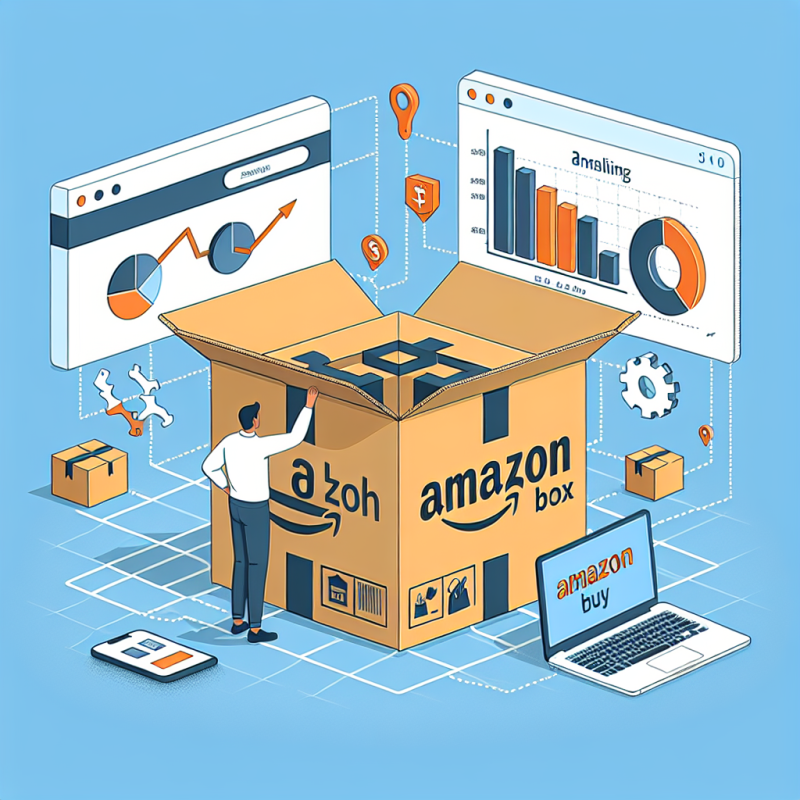
As an aspiring seller on Amazon, excelling in sales doesn't necessarily require a lavish budget. What you need are proven, cost-effective strategies that can maximize your visibility and conversion rates while keeping expenses low. Let's explore some budget-friendly tactics to help you stand out in the Amazon marketplace without breaking the bank.
Firstly, mastering the art of keyword research is your golden ticket. Start by utilizing free or inexpensive tools such as Google Keyword Planner, Sonar, or MerchantWords to find high-traffic yet low-competition keywords relevant to your products. Integrate these keywords into your product listings—titles, bullet points, descriptions, and backend search terms—to enhance your organic search ranking. This will draw in a targeted audience without costing you a cent in advertising.
Another vital aspect is harnessing the power of customer reviews. Positive feedback serves as social proof and substantially boosts your product's trustworthiness. Instead of investing in costly promotions, encourage your customers to leave reviews by following up with exceptional post-purchase communication. Send a personalized 'Thank You' email, asking for their honest feedback and addressing any concerns proactively. With Amazon's Early Reviewer Program also in play, it's a low-cost initiative where Amazon prompts customers to review products they've purchased, offering a small reward for their input. This can be a game-changer for new products needing that initial credibility boost. By focusing on these strategies, you can scale your Amazon business effectively, even on a shoestring budget.
When it comes to achieving success on Amazon, harnessing the power of the right tools and resources is critical. One essential category is research and analysis platforms, such as Jungle Scout or Helium 10, which equip sellers with competitive insights, keyword tracking, and product trend data. These tools are vital for identifying profitable niches and products with high demand yet low competition. Furthermore, they provide valuable data on seasonal trends and help optimize listings to attract more customers and maximize sales.
Another crucial resource for Amazon sellers is inventory management software. Tools like InventoryLab or Sellbrite not only streamline inventory tracking across multiple channels but also offer analytics to assist with forecasting, preventing stockouts or overstock situations, which can be detrimental to your business. These systems enable you to maintain optimal inventory levels, thus improving your cash flow and sustaining a positive buying experience for your customers.
Lastly, no seller's arsenal is complete without effective marketing tools. Amazon's own advertising platform provides powerful campaigns such as Sponsored Products and Sponsored Brands, essential for increasing product visibility. To complement this, email automation tools like FeedbackWhiz can be utilized to encourage reviews and manage customer feedback, fostering trust and brand loyalty. Off-Amazon strategies, leveraging social media or Google Ads, can drive external traffic to your listings, helping you to stand out in a crowded marketplace. Always stay informed on the latest tools, and consider integrating them into your strategy to truly master Amazon sales tactics.
When it comes to mastering Amazon sales tactics, selecting the right product is the linchpin that determines success or failure. Delving into the plethora of choices on Amazon can be overwhelming, but with careful research and strategic consideration, you can identify a niche that not only resonates with your interests but is also profitable. Start by leveraging tools like JungleScout or Helium 10 to analyze market data, track competition, and uncover demand patterns for potential products. These insights will steer you towards niches with high demand but low competition—sweet spots where your products can truly shine.
Beyond leveraging tools, keep a keen eye on emerging trends and customer reviews. Social media, Google Trends, and Amazon's own Best Sellers are fertile grounds for spotting what's in vogue. Importantly, don't just look at what's trending now; be visionary by looking for products that have a consistent upward trajectory and longevity. Moreover, reading customer reviews in your chosen niche can reveal gaps in the market. Customers are quick to voice their desires for product improvements or completely novel items, which can serve as golden opportunities for your next Amazon bestseller.
After you've identified a promising niche, it's time to dive deeper with keyword research. Tools such as MerchantWords or Ahrefs can help you discover the exact keywords your potential customers are using to search for products. Incorporate these keywords into your product titles, descriptions, and backend search terms to optimize your listings for Amazon's search algorithm. Remember, a best-selling product on Amazon isn't just about having a great item; it's about making sure your target audience finds it. Keep refining your strategy and stay agile, adapting to changes in the marketplace, and soon enough, your product selection mastery will turn into tangible profits.
Optimizing your Amazon listings is a critical step to ensuring your products are visible and appealing to potential buyers. The key lies in understanding Amazon's A9 algorithm which ranks products based on relevancy and performance. To enhance visibility, start with thorough keyword research to identify terms that prospective customers use. Incorporate these keywords strategically in your product titles, descriptions, bullet points, and backend search terms to improve ranking. Remember, the title should be informative and include your main keyword – think of it as the headline of an ad for your product. Craft bullet points that highlight the key features and benefits of your product, using persuasive language to capture the buyer's interest.
In addition to keywords, high-quality images are a game-changer in buyer attraction. Amazon allows for multiple images, so take advantage of this by showcasing your product from various angles and in different uses or settings. Make sure your main image is on a white background as per Amazon's guidelines, but use the additional images to tell your product's story. Furthermore, pricing is a major factor that can either entice or deter a buyer. Research your competition and ensure your price points are competitive yet profitable. Considering the use of pricing strategies such as psychological pricing, where prices are set slightly below a round number (e.g. $29.99 instead of $30) can make a notable difference.
Finally, leverage Amazon's Enhanced Brand Content or A+ Content for brand registered sellers, which allows you to add richer product descriptions with images and text placements. This not only enhances the aesthetic appeal of your listing but also allows for a deeper connection with your target audience by providing more comprehensive information and a storytelling approach to your brand. Remember, more detailed and visually appealing listings often lead to higher conversion rates. Get familiar with Amazon's content guidelines to avoid rejections and maximize your listing's impact. By implementing these tactics, you can significantly increase your Amazon product listing's potential to attract buyers and augment your sales.
Scaling your Amazon business can seem daunting, but timing is everything. The perfect time to scale is when you have a thorough understanding of your target market, a consistent history of sales, and the operational capacity to handle an increase in business without sacrificing customer service quality. As your sales begin to plateau, it's a signal that your current market segment is saturated. Rather than being content with stagnation, this is the ideal moment to expand into new markets or product categories. Keeping an eye on trends, seasonality, and competitors' activities will also offer insights into strategic timing for scaling up.
Before taking the plunge, it's crucial to have solid metrics that demonstrate profitability and efficiency. Look for indicators such as a steady upward trend in your customer base, a decrease in customer acquisition costs, or a rise in the average order value. These metrics suggest that your business model is robust and can likely sustain growth. Also, consider whether you have the financial resources for a scaling endeavor, which may include investing in inventory, marketing, and possibly new hires. Remember, it's not just about growing bigger; it's about growing smarter.
Strategically planning promotions around peak shopping times, such as Amazon Prime Day, Black Friday, and the holiday season, can also prime your business for scaling. Running promotions leading up to these peak times not only increases visibility and sales but also provides invaluable data on buyer behavior. Leveraging this data allows you to refine your sales tactics and inventory forecasting, which is integral when considering expansion. Essentially, scaling your Amazon business requires a balance between data-driven decision-making and intuitive understanding of the marketplace.
With the ever-evolving ecosystem of Amazon, a seller needs to be dynamic and resourceful. Knowing where to find help and support is crucial in navigating this giant marketplace successfully. The first port of call for any Amazon seller should be the Amazon Seller Central. This hub is rich with guides, tutorials, and forums where you can get direct advice from other successful sellers. Whether you're grappling with listing intricacies or seeking tips on optimizing your inventory management, Seller Central is your go-to resource.
Digging deeper, consider joining Amazon seller communities on social media platforms like Facebook and LinkedIn. These communities are goldmines for networking, sharing experiences, and getting peer-to-peer support. You can join groups such as 'Amazon Seller Central' or 'Amazon FBA High Rollers' to interact with a variety of sellers from beginners to seasoned professionals. Engaging in these groups can lead to practical insights and creative strategies that might just propel your Amazon business forward.
For structured learning, you might want to enroll in courses or seek guidance from industry experts. Websites like Udemy and Skillshare offer courses that cover a range of Amazon selling topics, from the basics of setting up shop to mastering complex sales analytics. You can also find specialized consulting services, such as Jungle Scout's Academy or Helium 10's expert training, both of which provide tools and personalized coaching to help you maximize your sales potential and stay competitive on Amazon. Don't forget to leverage Amazon's own webinars and events, which often feature professionals and successful sellers sharing their paths to success.

In the riveting world of Amazon sales, pricing mastery is akin to walking a tightrope: finding the perfect balance can propel you to impressive profitability. The key is to understand that your product pricing isn't just a number; it's a strategic tool that reflects your brand, your market position, and most importantly, customer perception. Initiating with competitive analysis is paramount—scrutinize your competitors' pricing strategies and customer reviews. From there, identify how your product stands out. Is it quality, innovation, or perhaps ethical sourcing that gives you an edge? Whatever it is, ensure the price reflects that value. Remember, it's not about being the cheapest. It's about being the best value-proposition on the Amazon stage.
Deciding on the optimum price requires a little science and a touch of art. Enter psychological pricing strategies—because the human mind isn't strictly rational. Setting your price just below a round number (think $29.99 instead of $30) can increase sales by appealing to emotions rather than logic. This tactic, known as charm pricing, leverages the left-digit effect to make a price seem significantly lower than it actually is. Similarly, considering bundle pricing can be a game-changer; it increases the perceived value and consumer convenience which can lead to a higher average order value. Keep a close eye on Amazon's Best Sellers Rank (BSR) to fine-tune your pricing—products that climb the ranks influence consumer trust and can justify a premium price.
Dynamism in pricing is your ally on the ever-evolving Amazon marketplace. Utilizing pricing automation tools can put you ahead of the curve, allowing for real-time adjustments to respond to market changes and competitor actions efficiently. Leverage Amazon's pricing reports and business analytics to guide your strategy, but don't forget that human intuition plays a role. Be prepared to adapt your pricing for seasonal trends, special promotions, and shopping events like Prime Day. And never underestimate the power of A/B testing; trying different prices among similar products can reveal the sweet spot that maximizes both sales velocity and profit margins. With precision in your pricing strategy, the journey from a novice Amazon seller to a victorious vendor is just a few clicks away.
In the bustling online marketplace of Amazon, customer feedback stands as a testament to your product's quality and your brand's reliability. But how many reviews do you actually need to differentiate your product from competitors and sway potential customers? The answer isn't a one-size-fits-all, but data suggests that having at least 10-15 reviews can significantly increase the trustworthiness of your product. After hitting the 50-review threshold, products often experience more considerable jumps in conversion rates. However, it's not just about the number of reviews but also about their recency and relevance. Shoppers are savvy; they want to see that a product has been consistently performing well over time, not just during a brief period.
The power of customer feedback doesn't end with the mere accrual of reviews. Utilizing customer feedback effectively means engaging with reviews, addressing concerns, and showcasing top-quality service—turning your customers into advocates. Proactive engagement with both positive and negative feedback can lead to improved product rankings and ultimately, better visibility on the platform. Remember, it's estimated that a one-star increase in rating can lead to a 5-9% boost in sales, so monitoring and managing reviews should be a key part of your sales strategy. To stand out, ensure your review generation strategy is aggressive yet authentic; utilize automated follow-up emails, provide exceptional customer service, and consider using Amazon's Early Reviewer Program to gain those all-important initial reviews.
Besides the quantity, the quality and diversity of reviews can significantly impact a buyer's decision. A mix of video reviews, images, and detailed customer testimonials gives a well-rounded perspective of the product offered. Remember to leverage positive reviews in other promotional materials and product descriptions, as social proof can be a compelling driver of sales. Encourage satisfied customers to share their experiences, and make it easy for them by sending follow-up emails with direct links to the review page. Transparency is key—never incentivize for reviews, as it goes against Amazon's terms of service and could harm your brand's reputation. Always strive for organic growth of your review base, as this contributes to a sustainable and reputable Amazon presence.
When it comes to mastering Amazon sales tactics, having a clear and strategic approach is essential. The platform's competitive nature demands that sellers stay informed and optimize their listings to ensure maximum visibility and conversion. To assist in this endeavor, consider this ultimate 'Best Practices' Checklist for Amazon Sellers—an irreplaceable roadmap to boosting your profits on the world's largest online marketplace.
First and foremost, start by perfecting your product listings. High-quality, clear images are non-negotiable; they should showcase your product from various angles and in different use-cases. Additionally, make sure your product titles are keyword-rich yet readable to improve searchability and customer understanding. A comprehensive, benefit-oriented product description and bullet points highlighting key features should follow this. Back this up with in-depth product research to zero in on high-volume keywords that can elevate your listing's visibility.
Another vital part of the checklist involves managing reviews and ratings. Proactively encourage satisfied customers to leave positive reviews to enhance trust and credibility. At the same time, address negative feedback promptly and constructively, displaying exceptional customer service. Moreover, optimize your inventory to align with demand forecasts and avoid stockouts or excessive storage fees. Finally, capitalize on advertising and promotional tools such as Amazon Sponsored Products, Lightning Deals, or Coupons to drive additional traffic and sales. These best practices, when implemented effectively, can significantly enhance your presence on Amazon and pave the way for increased profits.
Sure, here are a few paragraphs, lists, and useful links for the section:
---
**FAQs: Your Top Amazon Selling Questions Answered**
Embarking on your Amazon selling journey can be beset with questions. We understand the complexities involved, and we're here to clear the air on some of the most pressing queries that newcomers face. With clarity comes confidence, and with confidence comes sales success.
* **What are the basic requirements to start selling on Amazon?**
To begin selling on Amazon, you must create a seller account, choose a selling plan, and decide on your fulfillment strategy—whether it's Fulfillment by Amazon (FBA) or Fulfillment by Merchant (FBM). It's essential to research and decide on the right products to sell, understand Amazon's fee structure, and ensure compliance with Amazon's policies and tax requirements. Here's a handy checklist to help you cover the basics [Amazon Seller Checklist](https://sellercentral.amazon.com/gp/help/external/G200135650).
* **How can I optimize my product listings to increase sales?**
Maximizing your product's visibility requires an understanding of Amazon's search algorithm, A9. Key optimizations include using high-quality images, writing compelling and keyword-rich product descriptions, earning positive customer reviews, and managing inventory effectively. Regularly track and analyze your performance metrics to inform your strategy. Discover more tips on listing optimization with this guide [Boost Your Amazon Sales](https://www.testmarket.io/amazon-optimization-strategies).
* **Is it better to use Amazon FBA or FBM?**
Choosing between FBA and FBM depends on various factors including the size and weight of your products, your ability to manage logistics, and your margins after accounting for FBA fees. FBA can help increase your visibility and is typically favored by buyers due to Amazon Prime eligibility, but FBM gives you more control over inventory and shipping. Weigh the pros and cons with this comparison [FBA vs. FBM](https://www.testmarket.io/fba-vs-fbm).
Remember, success on Amazon comes with understanding the nuances of the platform. Stay informed, stay adaptable, and let the sales roll in.
---
With these FAQs, sellers can gain a solid footing on Amazon's platform, unlocking the potential to boost their profits significantly. Whether you're crafting listings or choosing a fulfillment option, the right knowledge is your gateway to success.
Creating a successful Amazon seller account is your entryway to the world of e-commerce dominance. To begin, you'll need a strategic approach that combines compliance with Amazon's policies and a keen eye for customer satisfaction. Start by choosing the right seller plan – Individual or Professional – based on the volume of sales you anticipate. An Individual plan is cost-effective for sellers who expect to sell fewer than 40 items per month, whereas the Professional plan is more suitable for higher volume sales with additional features like inventory management.
Once you've selected your plan, focus on creating a compelling brand presence. Utilize high-quality images and detailed product descriptions that highlight the benefits and features of your products. Keywords are the lifeblood of visibility on Amazon, so invest time in keyword research to ensure your listings are optimized to attract and convert shoppers. Accurate categorization of your items also helps in matching your products to the right customers.
In addition to the basics, set up automated systems like Amazon's Fulfillment by Amazon (FBA) to handle shipping and customer service. This not only saves you time but also helps you gain customer trust through Amazon's well-established logistics. Furthermore, encourage customer reviews from the outset as they significantly influence buying decisions. Monitor and adapt your approach by regularly checking Amazon Seller Central for insights and using tools that track your rankings, inventory, and competitive landscape. Remember, a successful Amazon seller account doesn't just happen overnight; it requires constant optimization and adaptability to market changes.
To master the art of increasing sales on Amazon, it's critical to leverage a mix of strategic practices that align with the platform's unique environment. One powerful tactic is to optimize your product listings with keyword-rich content. Start by conducting thorough keyword research to identify high-traffic terms that are relevant to your products. Incorporate these keywords into your product titles, descriptions, bullet points, and backend search terms to enhance visibility in Amazon's search results. Remember, the more visible your products are, the more likely they are to sell. In addition to textual optimization, high-quality images and videos can significantly boost your product's appeal, providing customers with a clear visual understanding of what you're offering.
Beyond optimizing listings, consider implementing competitive pricing strategies. Utilize Amazon's repricing tools or invest in third-party software to monitor and adjust your prices in real time, staying ahead of the competition without slicing into your profit margins. Bundling products can also create a perceived value, prompting customers to purchase more items at once. Offer special deals and promotions regularly to keep the potential buyers engaged and more inclined to click the "Add to Cart" button.
Another tactic is to tap into the power of Amazon's advertising options. Sponsored Products and Sponsored Brands allow sellers to gain prominent placement for their products, driving additional traffic and conversions. Coupled with a smart bidding strategy, you can maximize exposure without overspending. Finally, always aim for exceptional customer service and prompt shipping—stellar seller ratings and feedback can improve your credibility and lead to more sales. Fine-tune your approach by keeping a close eye on your performance metrics within the Seller Central dashboard, and continuously adapt your tactics to the ever-changing marketplace trends and consumer behavior.
Creating highly optimized product listings is crucial for boosting conversions on Amazon. To begin, focus on crafting a compelling product title that not only includes relevant keywords but also highlights key features or benefits that set your product apart from competitors. The secret lies in balancing SEO optimization without sacrificing the readability and lure for potential buyers. Emphasize the unique selling points in the first 80 characters of your title, as this is what's most commonly displayed in search results and on mobile devices.
Next, leverage the power of high-quality images and videos to tell your product's story vividly. Use the maximum allowed number of images to showcase your product from different angles, in use, and even provide size and dimension references. Images should be high resolution and adhere to Amazon's image guidelines. Additionally, incorporating videos can further help customers understand the product use, functionality, and benefits, significantly boosting their likelihood to convert.
Finally, optimize your bullet points and product description by clearly outlining features, benefits, and any unique value propositions. Utilize bullet points to break down the most important information into easily digestible chunks, ensuring that your top benefits are addressed succinctly. In the product description, expand on the details, providing a richer narrative about your product, and relate it to the needs or problems of your target audience. Remember to sprinkle relevant keywords throughout to improve search visibility, but keep your language natural and customer-focused to foster trust and engagement.
In the competitive world of Amazon selling, mastering the art of securing the Buy Box is paramount for increasing sales. The coveted Amazon Buy Box is the white box on the right side of the product detail page, where buyers can add items for purchase to their cart. Winning this spot can significantly boost your sales as the majority of Amazon purchases are made through it. To sway the odds in your favor, first ensure that you have a Professional Seller account, as this is a requirement for eligibility. Next, focus on maintaining a high seller rating. Amazon favors sellers with positive feedback, timely shipping, and responsive customer service, so prioritize delighting your customers in every transaction.
Price competitiveness is another critical element in winning the Buy Box. Keep a close eye on your pricing strategy; not just to be the lowest, but also to ensure it's competitive while maintaining a good profit margin. Utilize automated repricing software to stay competitive 24/7 without constant manual adjustments. Moreover, strive for impeccable operational performance. Amazon evaluates metrics like order defect rate, cancellation rate, and late shipment rate when determining Buy Box eligibility. Keep these metrics as low as possible by streamlining your fulfillment processes, perhaps by leveraging Fulfillment by Amazon (FBA), which also gives a boost since Amazon favors its own logistics services.
Inventory management is also a key strategy. Consistently having stock available indicates to Amazon that you are a reliable source for products, which can increase your chances of winning the Buy Box. Additionally, offer a diverse range of products to minimize direct competition, which can make it easier to obtain and retain the Buy Box for those items. Remember, while winning the Buy Box is a significant advantage, consistent performance across the board will keep you in prime position to be the go-to seller when the Buy Box rotates among eligible sellers. Keep refining your strategies for price, fulfillment, customer service, and inventory management, and the Buy Box could very well be yours.
To master Amazon sales tactics and maximize profits, new sellers should be vigilant about avoiding common pitfalls that can hamper their success. One of the most frequent mistakes that new sellers make is failing to understand Amazon's complex fee structure. With a variety of fees, including listing fees, referral fees, fulfillment, and storage costs, sellers can quickly see their profits diminish if they don't calculate these expenses accurately upfront. In-depth knowledge of this fee system is crucial in setting competitive yet profitable pricing for your products.
Another mistake to sidestep is ignoring the importance of Amazon SEO. Unlike traditional search engines, Amazon's A9 algorithm prioritizes products that have a higher conversion rate along with seller performance metrics. New sellers often overlook the necessity of optimizing their product listings with relevant keywords, high-quality images, and detailed product descriptions that can entice potential customers and convert clicks into sales. Without optimizing these listings, even the most exceptional products can languish unseen and unsold amidst the vast marketplace.
Lastly, new Amazon sellers often neglect the power of customer satisfaction. Negative reviews and poor seller feedback can significantly impact visibility and sales. Sellers should ensure they maintain high standards for customer service, including prompt responses to questions, fast shipping, and an accommodating return policy. Overlooking these aspects can lead to a bad reputation, resulting in a downward spiral of fewer sales and visibility. In order to thrive on Amazon, impeccable customer service should be at the heart of your sales strategy.
Handling negative reviews on Amazon can feel disheartening, but it's an inevitable part of selling in a marketplace that values transparency. The way you approach these reviews can make the difference between a one-time setback and an opportunity for growth. First and foremost, it's essential to stay professional and composed. Respond to each negative review promptly with empathy and an offer to resolve the issue. This shows not only the dissatisfied customer but also potential customers that you're committed to exceptional customer service.
Encourage communication by providing direct contact information within your response, and if possible, try to take the resolution discussion offline. This can involve refunding the customer, providing a replacement product, or offering a discount on future purchases. Be sure to personalize your response to the issue at hand; generic responses can be perceived as insincere. Additionally, analyze the feedback for any constructive criticism that could indicate a recurring problem with your product or service. Addressing these issues can prevent future negative reviews and enhance your product's quality.
Lastly, but importantly, remember to keep track of changes and improvements made based on customer feedback. This not only helps in refining your offerings but also in communicating to your customers that their opinions are valued and heard. When potential buyers see that negative feedback leads to tangible improvements, it reinforces trust in your brand. Hence, it's not just about managing damage control, but about leveraging negative insights into positive change that resonates with your customer base.
As you embark on your journey to mastering Amazon sales tactics, remember that the key to success lies in continuously adapting and optimizing your approach. By harnessing the wealth of tools and resources available, you can fine-tune your strategies to align with consumer trends and marketplace dynamics. It's about understanding the psychology of your audience, the intricacies of the Amazon algorithm, and the nuances of product presentation.
In conclusion, unlocking your Amazon potential requires a blend of innovation, diligence, and adaptability. Implementing effective SEO tactics, leveraging Amazon's advertising options, and maintaining high-quality customer service can exponentially boost your profits and build a sustainable online business. Monitor your metrics closely, stay updated with Amazon's ever-changing landscape, and iterate on your strategies. Celebrate each milestone as a testament to the learning curve you've embraced and the entrepreneurial spirit that drives your business forward.
Lastly, reap the rewards of your efforts by staying proactive and involved in the Amazon seller community. Share your insights, learn from others, and keep refining your approach. The journey to maximizing your Amazon sales potential is not a sprint—it's a marathon. With persistence, your investment of time and energy will deliver the profitable returns you aspire to achieve. Set your sights on incremental improvement, and watch as your business grows, your brand recognition flourishes, and your Amazon success story unfolds.


Subscribe to keep up with fresh news and exciting updates. We promise not to spam you!

Published 15 March, 2024


